The WWII-era LVT-4 wreck beneath Fingal Bay
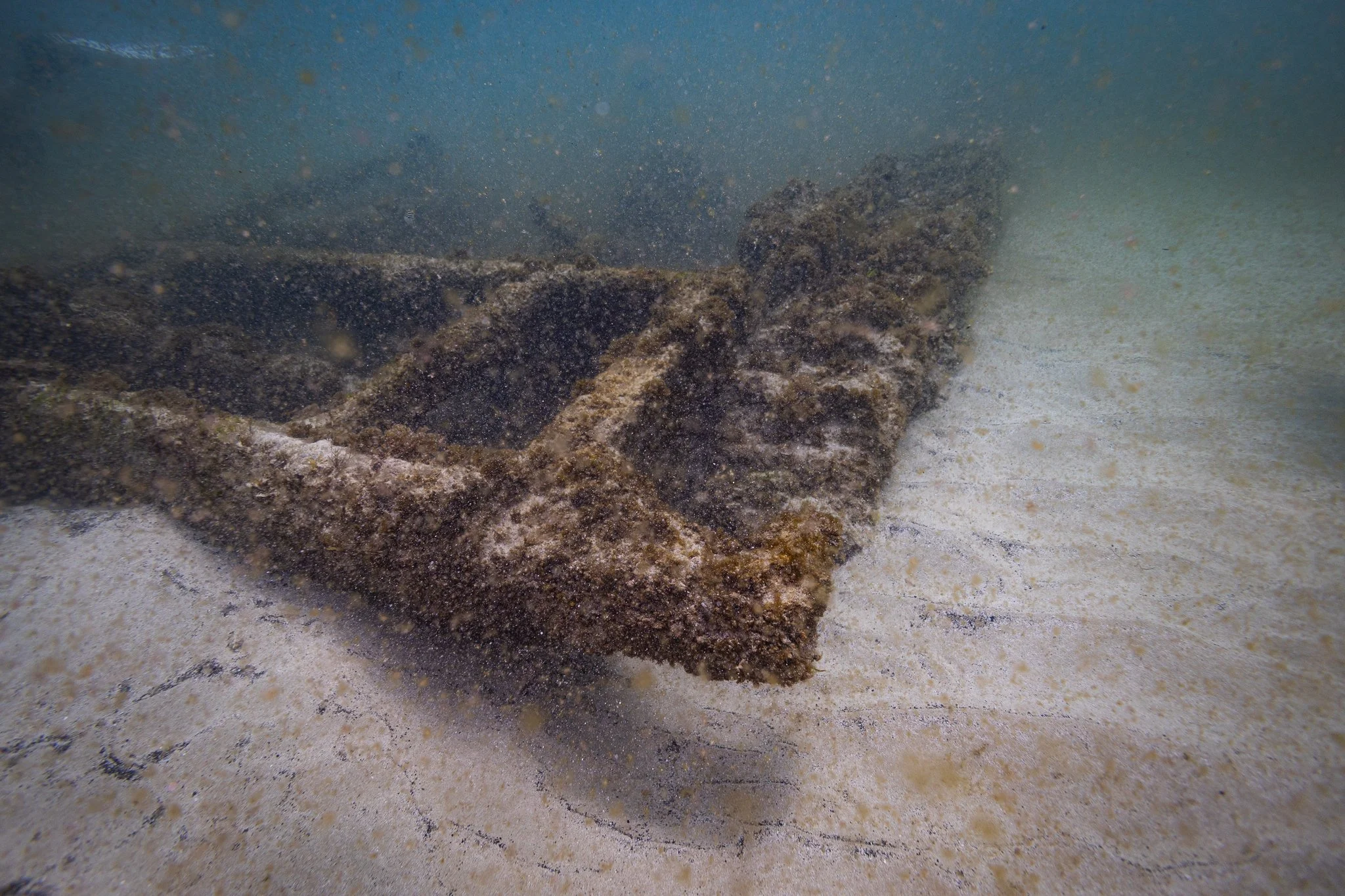
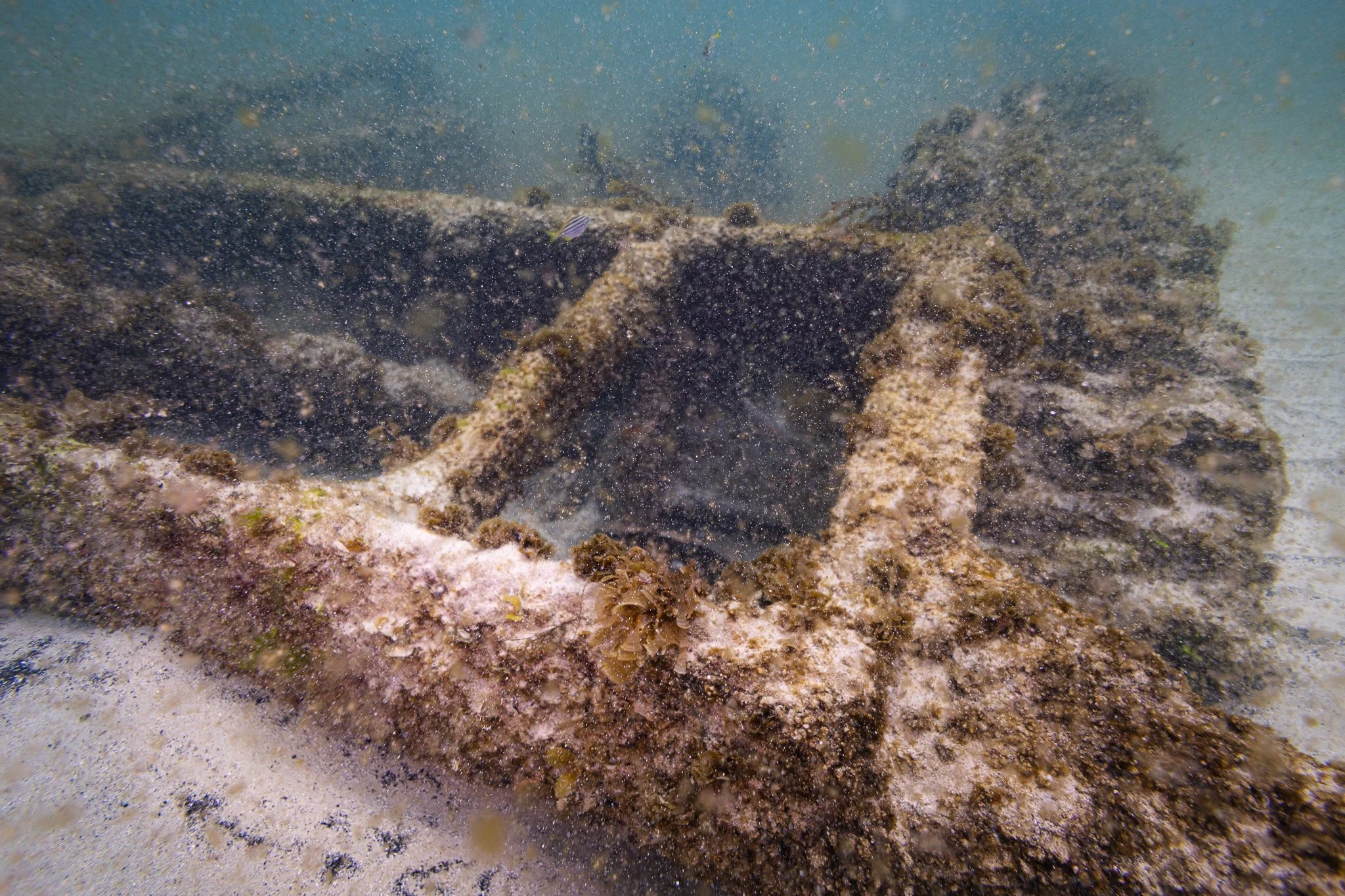
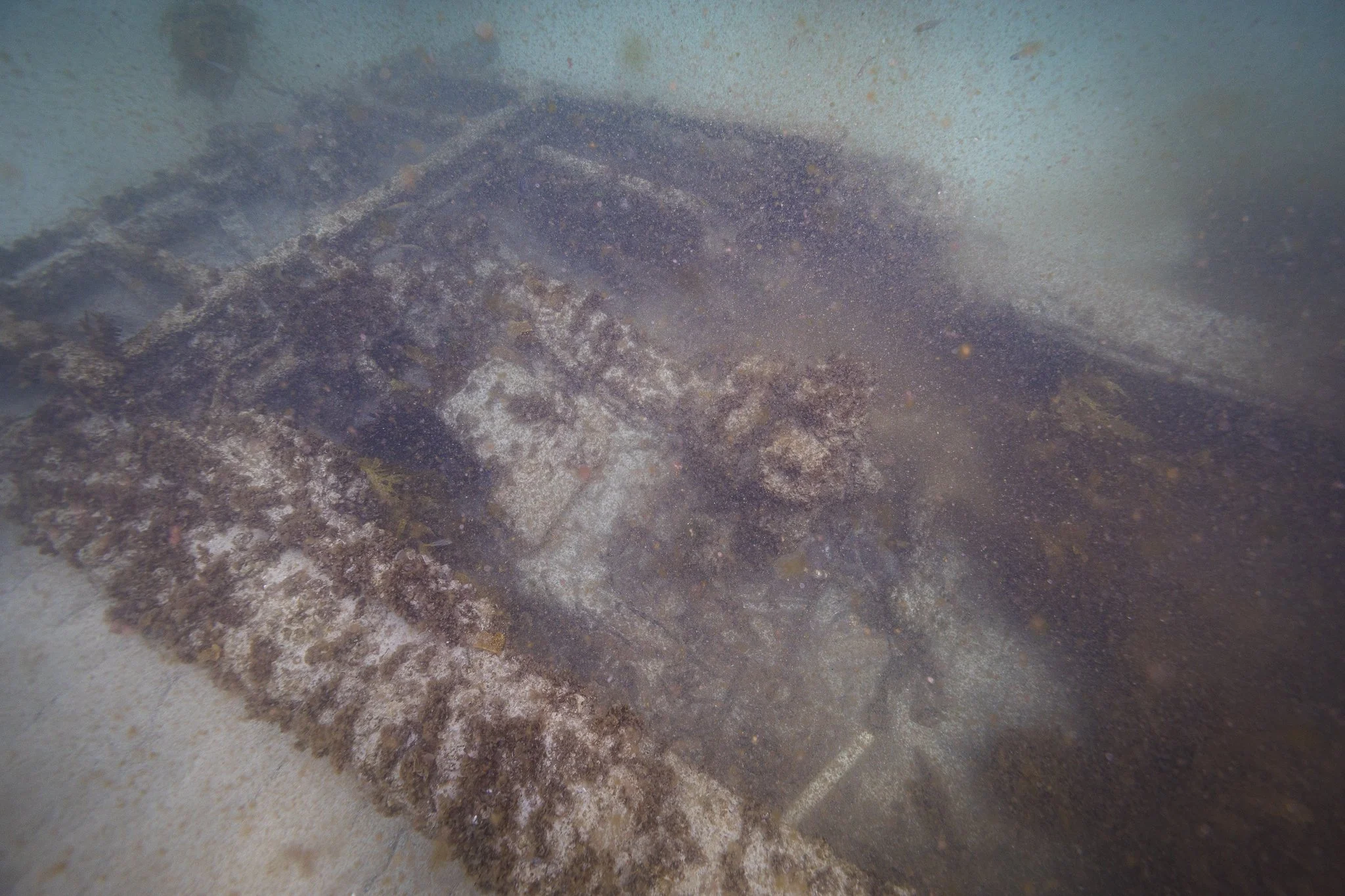
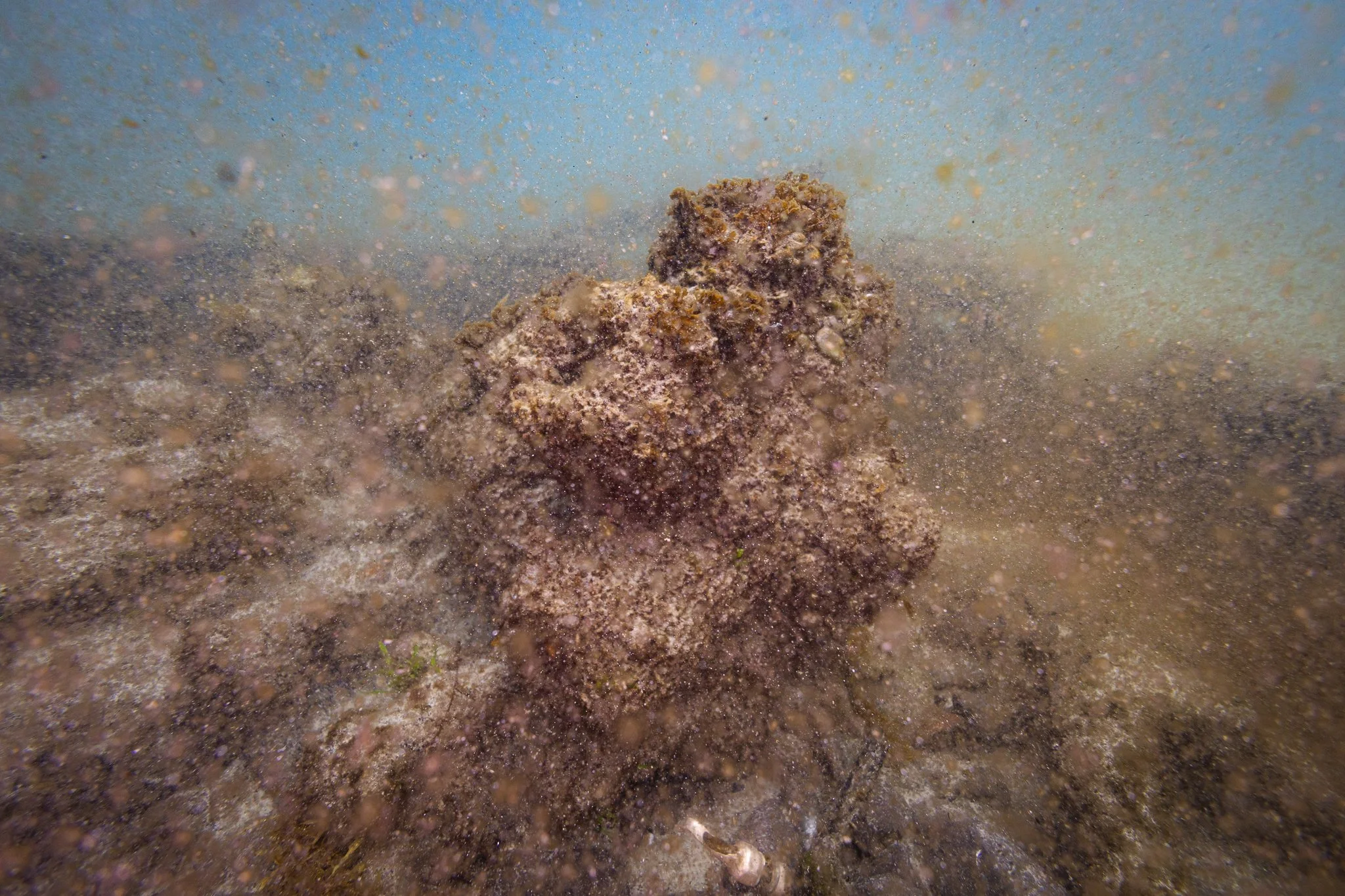
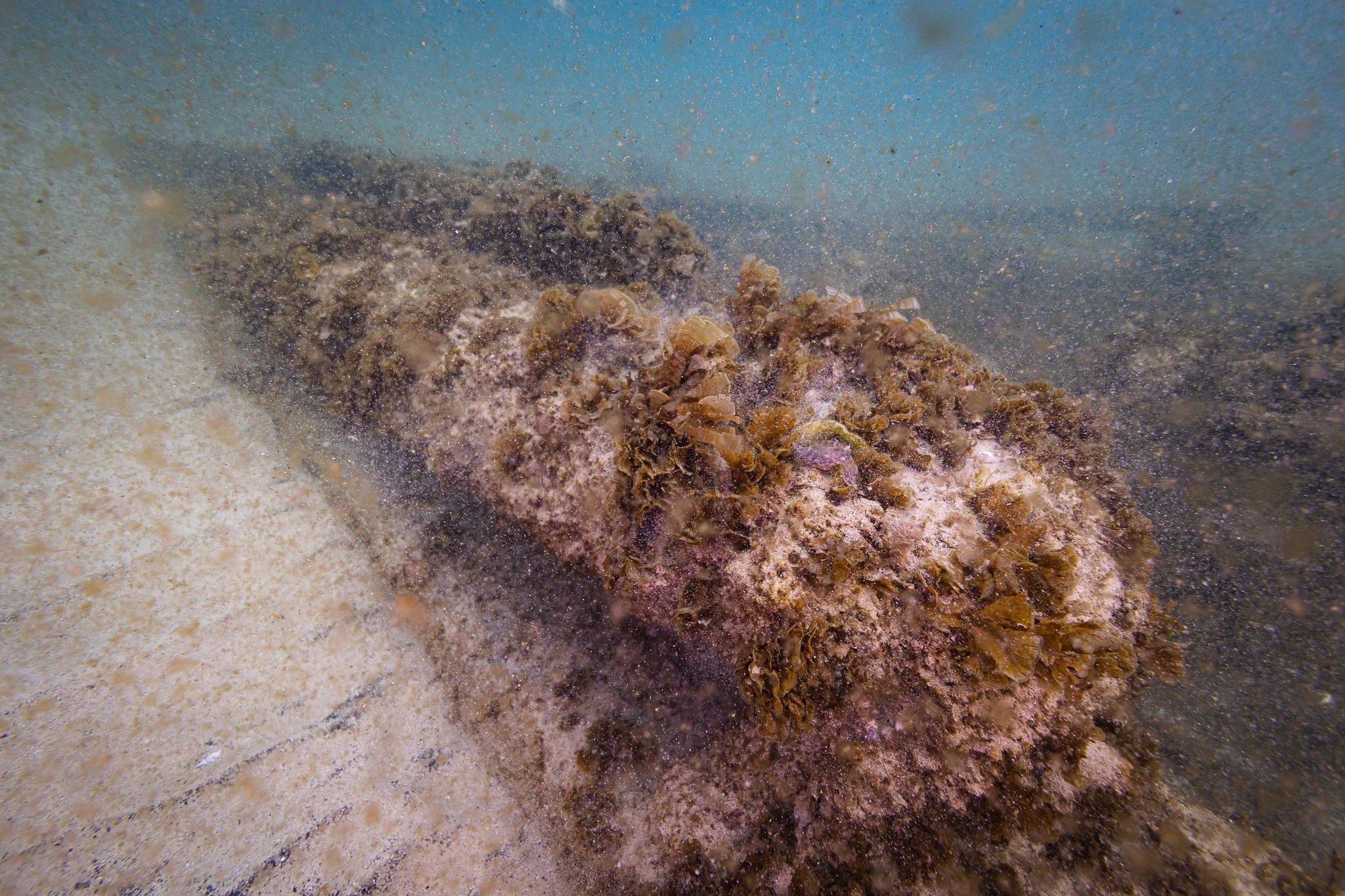
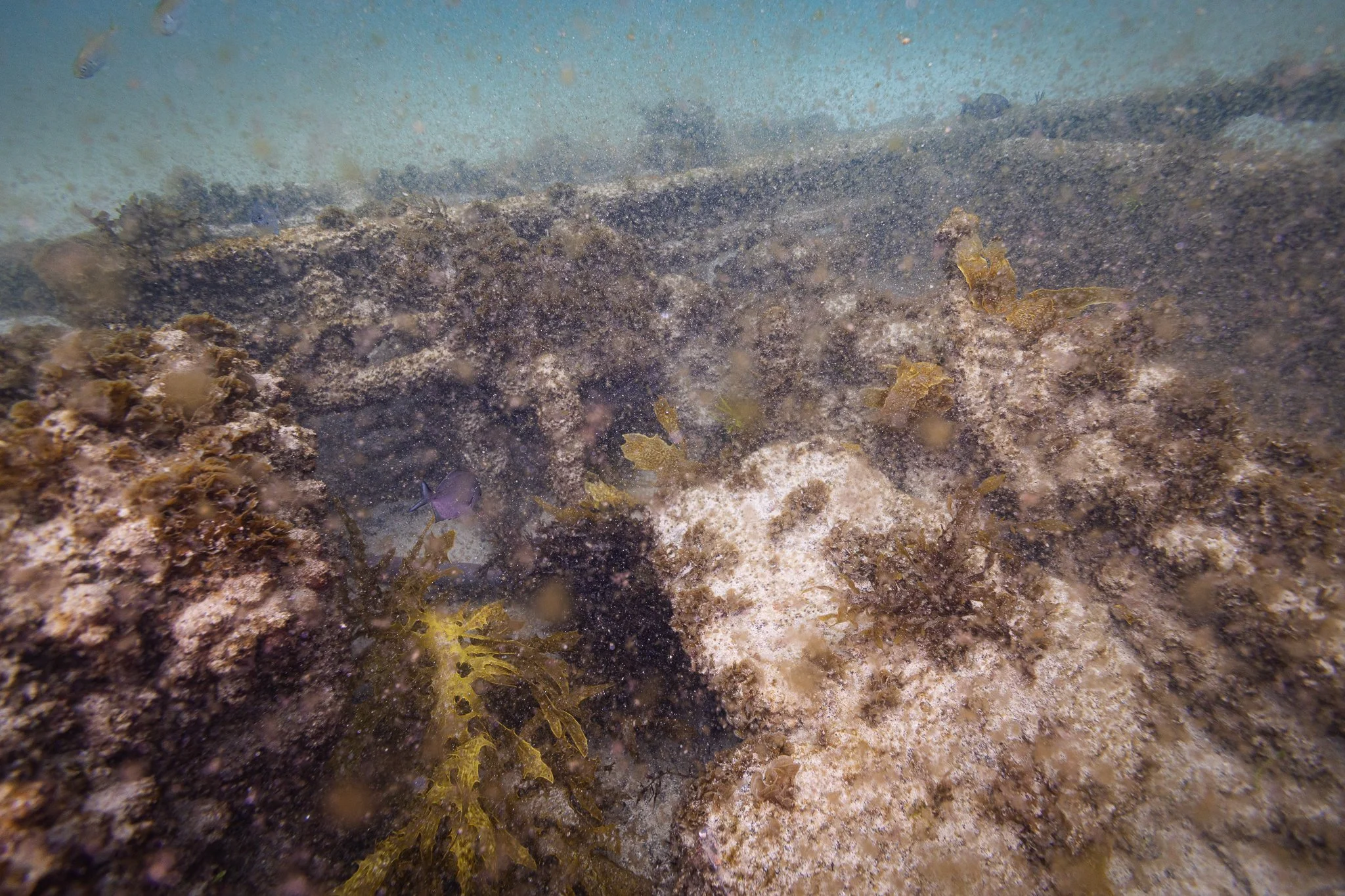
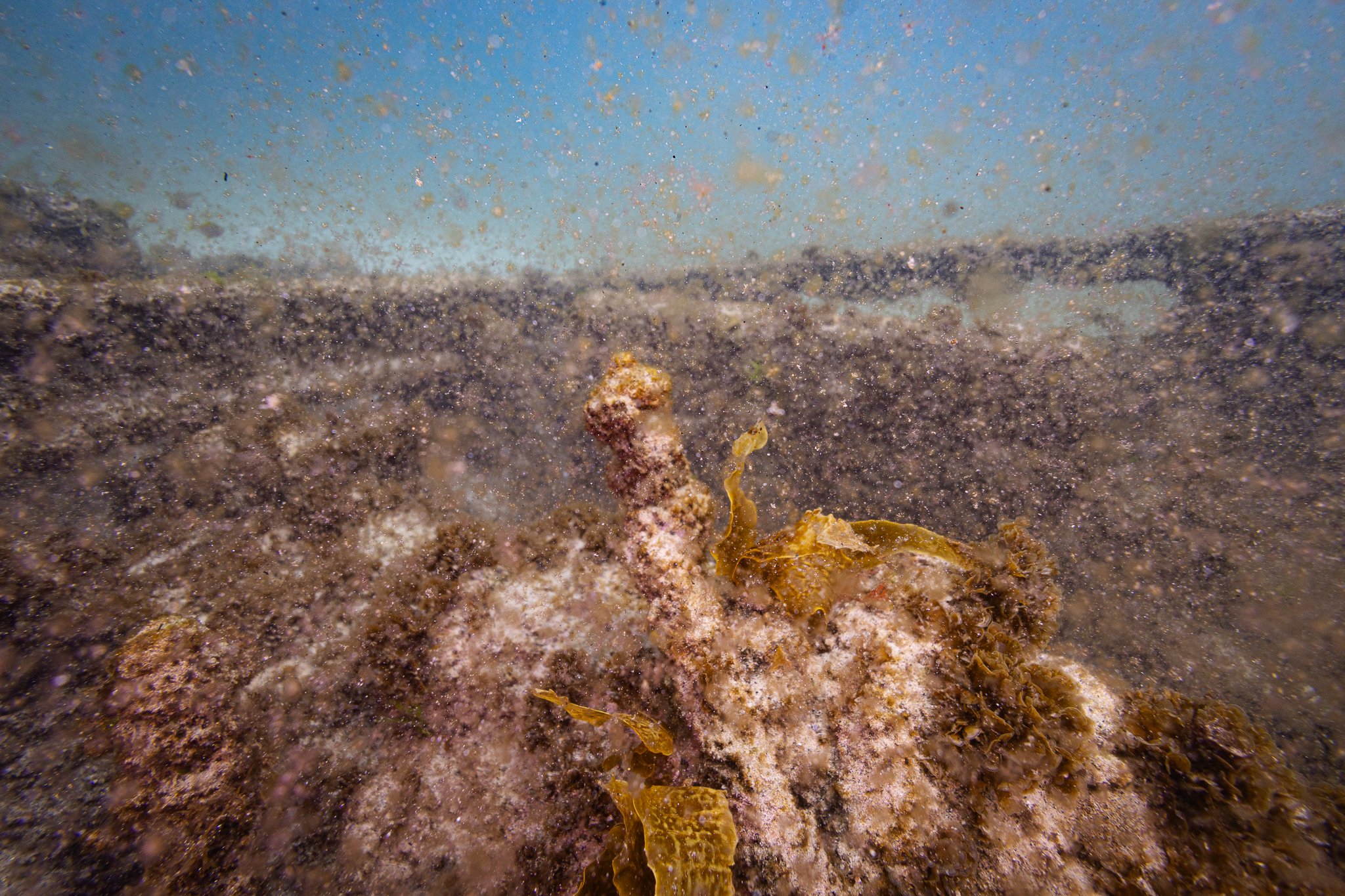
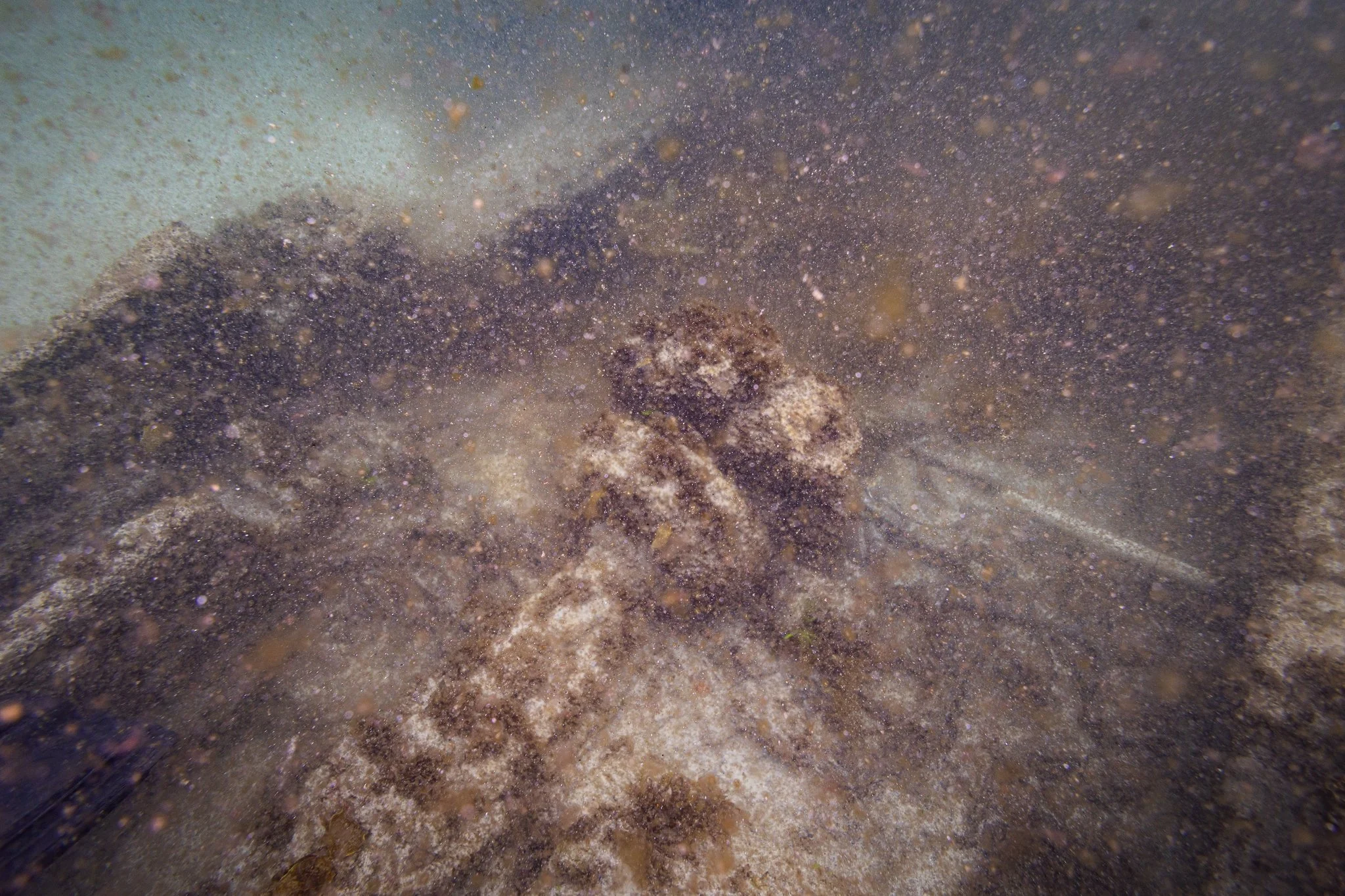
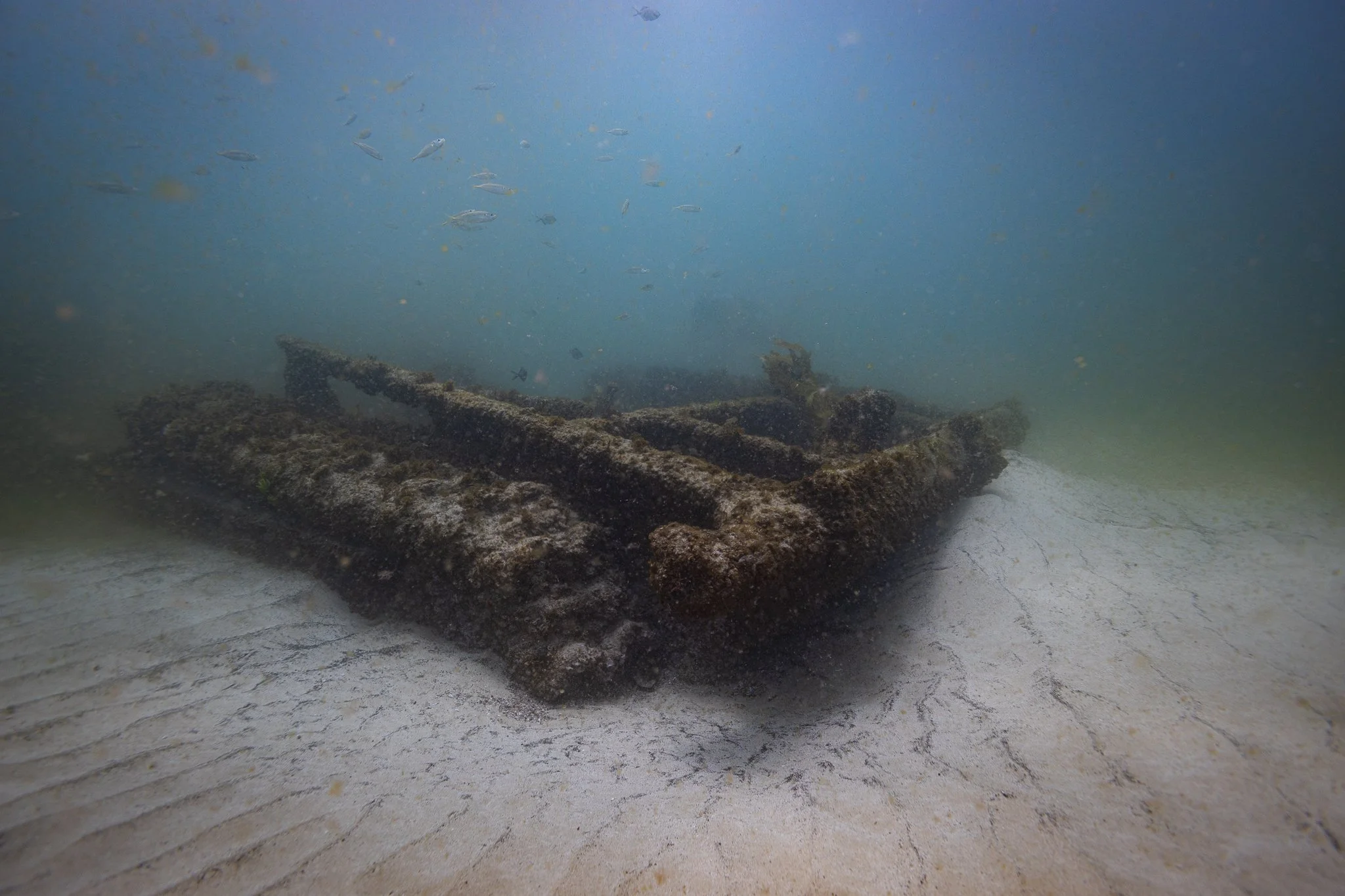
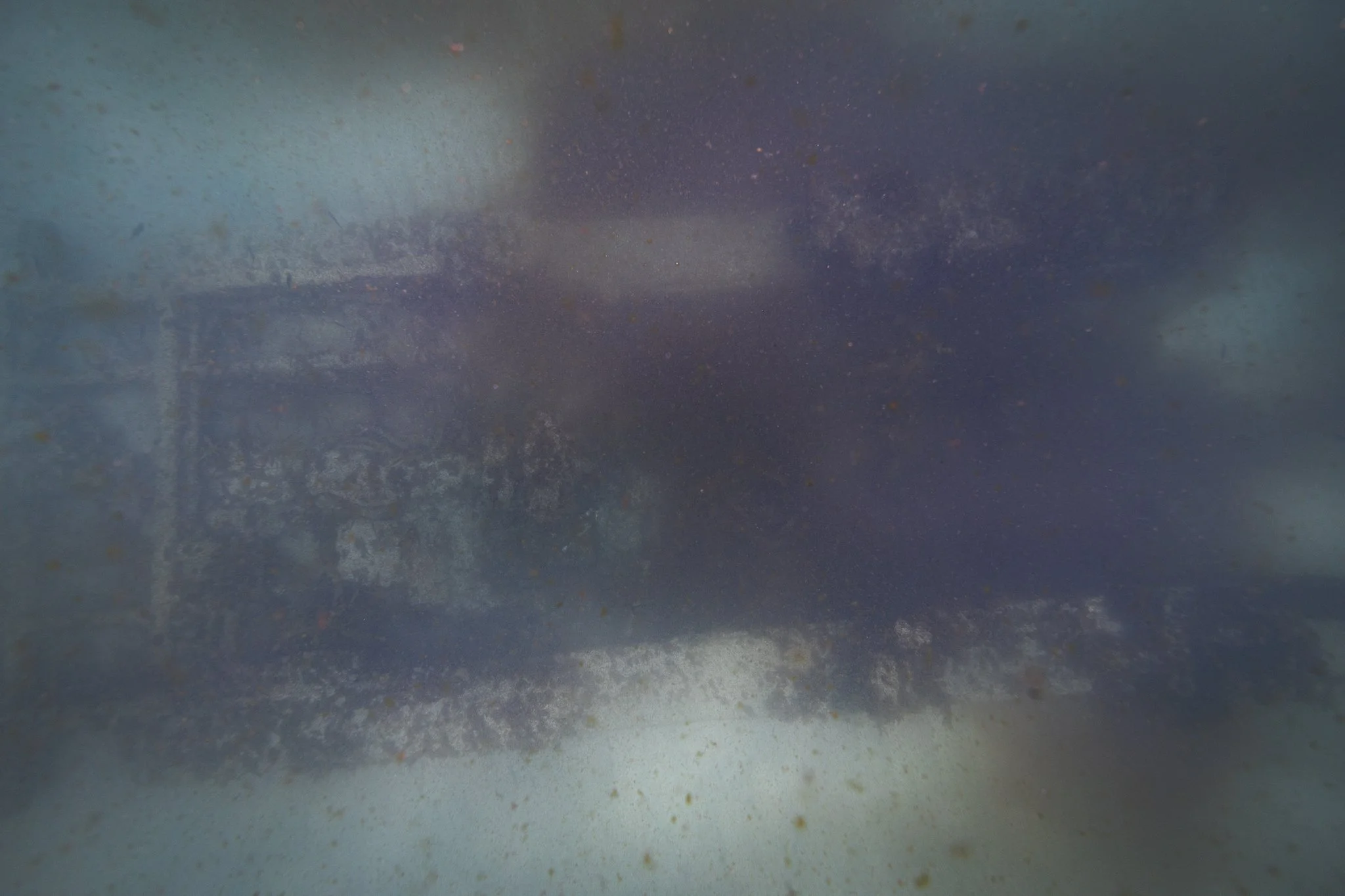
Some time ago, I was told about an amphibious vehicle that had sunk in Fingal Bay during an Australian Army training exercise.
The story came from Peter Edwards, who was living in Port Stephens at the time. Peter had served in the Citizen Military Forces, or CMF, and later rose to the rank of lieutenant colonel.
According to Peter, the submerged vehicle was an LVT-4: a tracked amphibious carrier originally developed during the Second World War. It had been lost during a postwar training exercise, probably in 1958, but over the decades its resting place had almost slipped from local memory.
Months after hearing Peter’s account, I received a message from a local diver who knew of a submerged wreck in the bay. The description sounded familiar.
Four of us set out to find it.
What is an LVT-4?
LVT stands for Landing Vehicle Tracked. These large amphibious carriers were designed to travel through water before driving ashore on their tracks.
The Australian War Memorial describes the LVT-4 as a versatile vehicle that could carry personnel, stores and light vehicles such as Jeeps and trailers. The type was built between 1943 and 1945 and became closely associated with amphibious operations during the Second World War.
Unlike the turreted LVT(A)4, the LVT-4 had an open cargo body and a rear ramp. Its broad tracks moved it through the water and allowed it to continue across beaches and difficult ground once ashore.
Although the vehicle beneath Fingal Bay dates from the Second World War era, Peter’s account places its loss several years after the war, while it was still being used for CMF training.
Searching beneath Fingal Bay
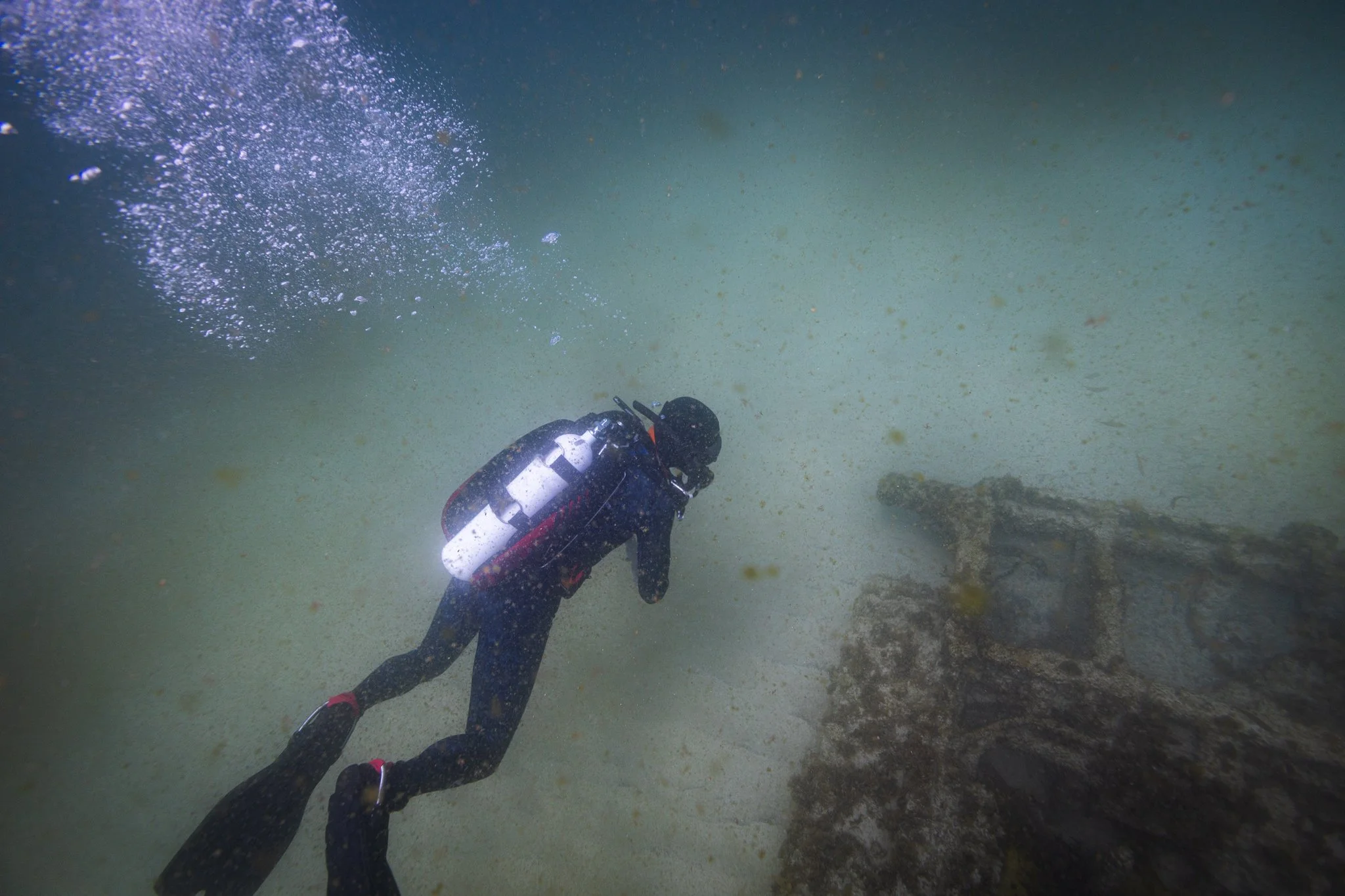
Reaching the site involved carrying our diving equipment through the bush, gearing up on the beach and entering the water from the shore.
We searched the sandy seabed for almost 20 minutes.
At first, there was very little to see. The bottom stretched ahead of us and the wreck remained hidden. We were getting close to giving up when a large shape began to appear through the water.
There it was.
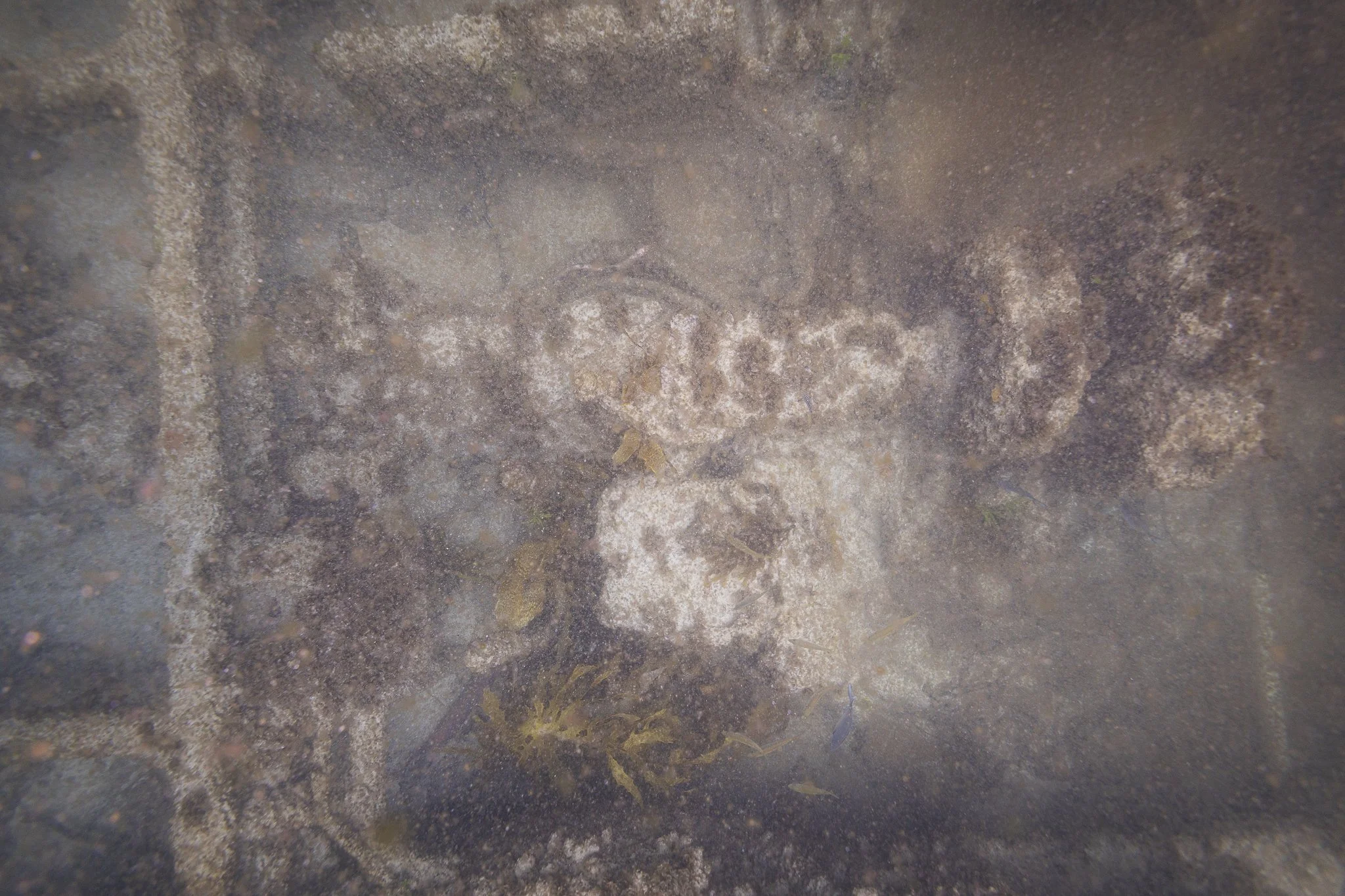
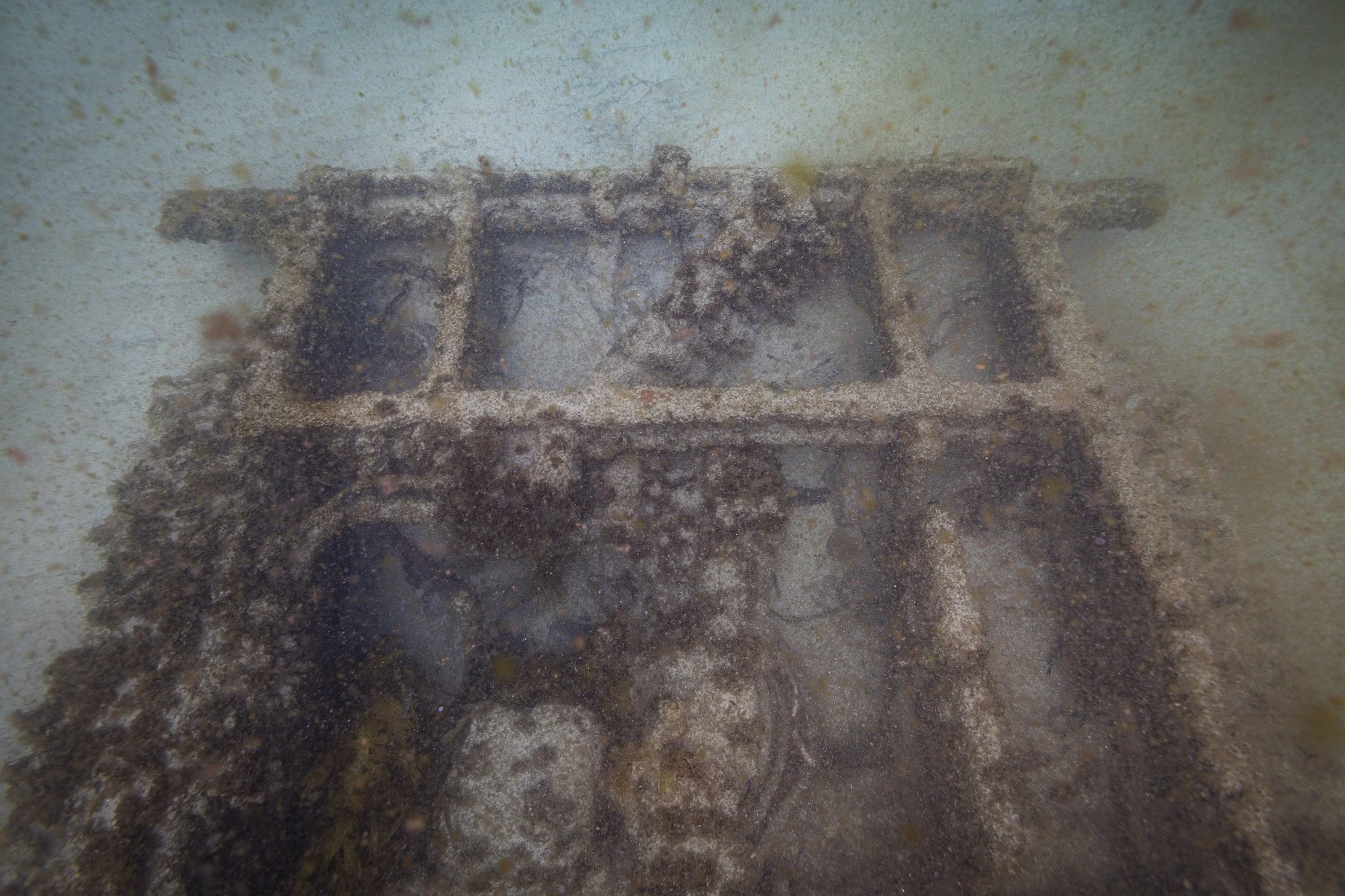
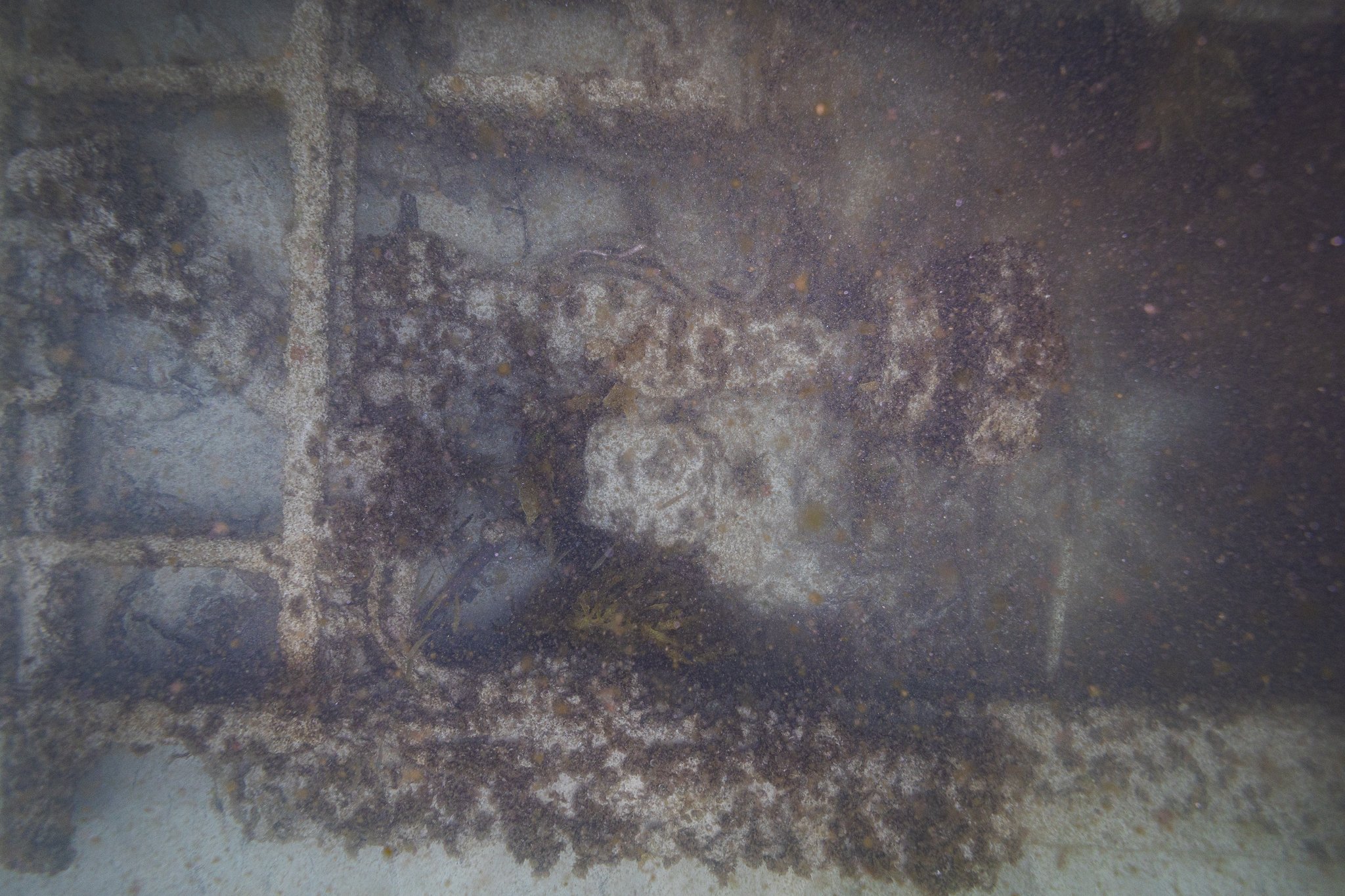
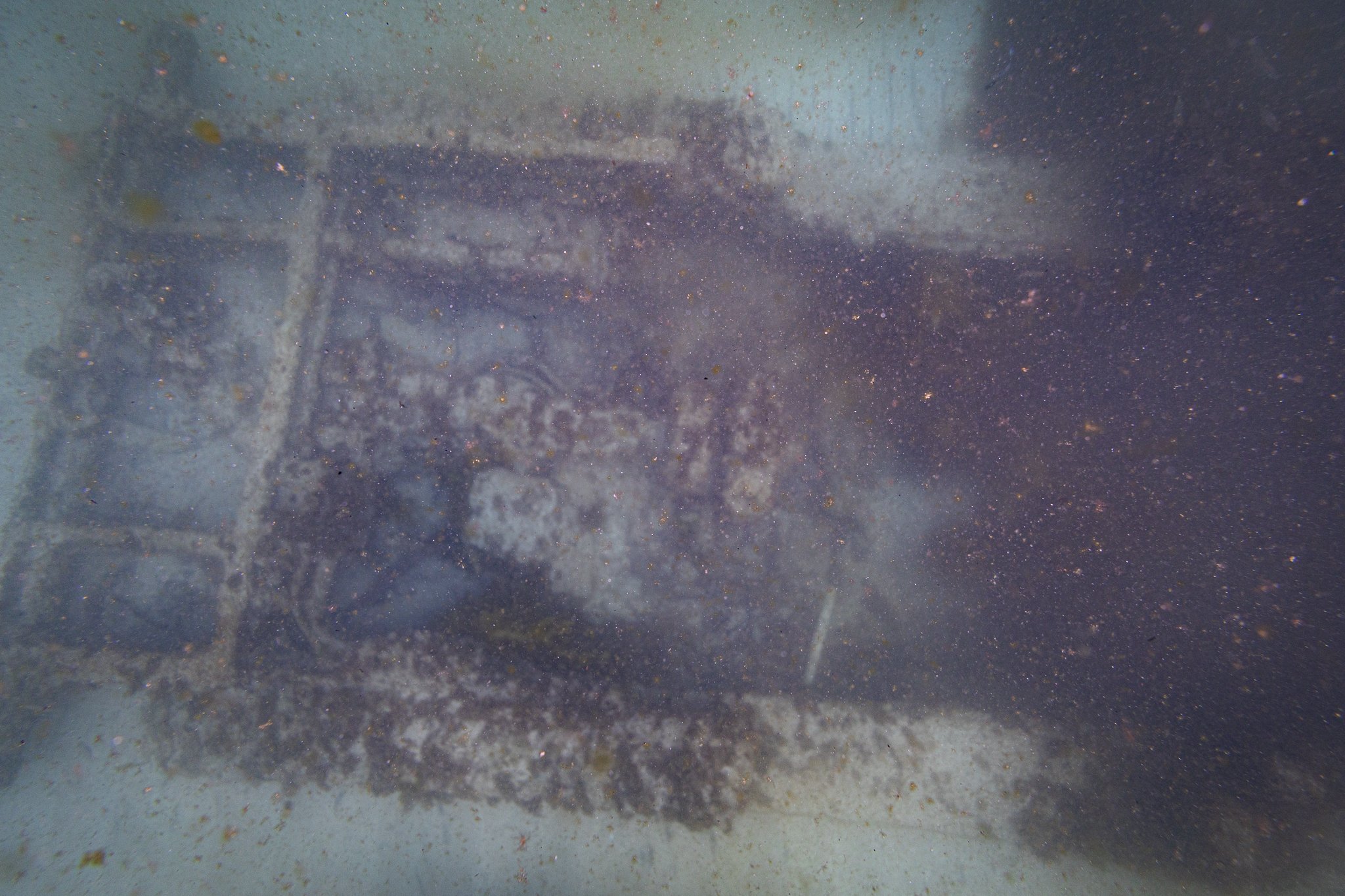
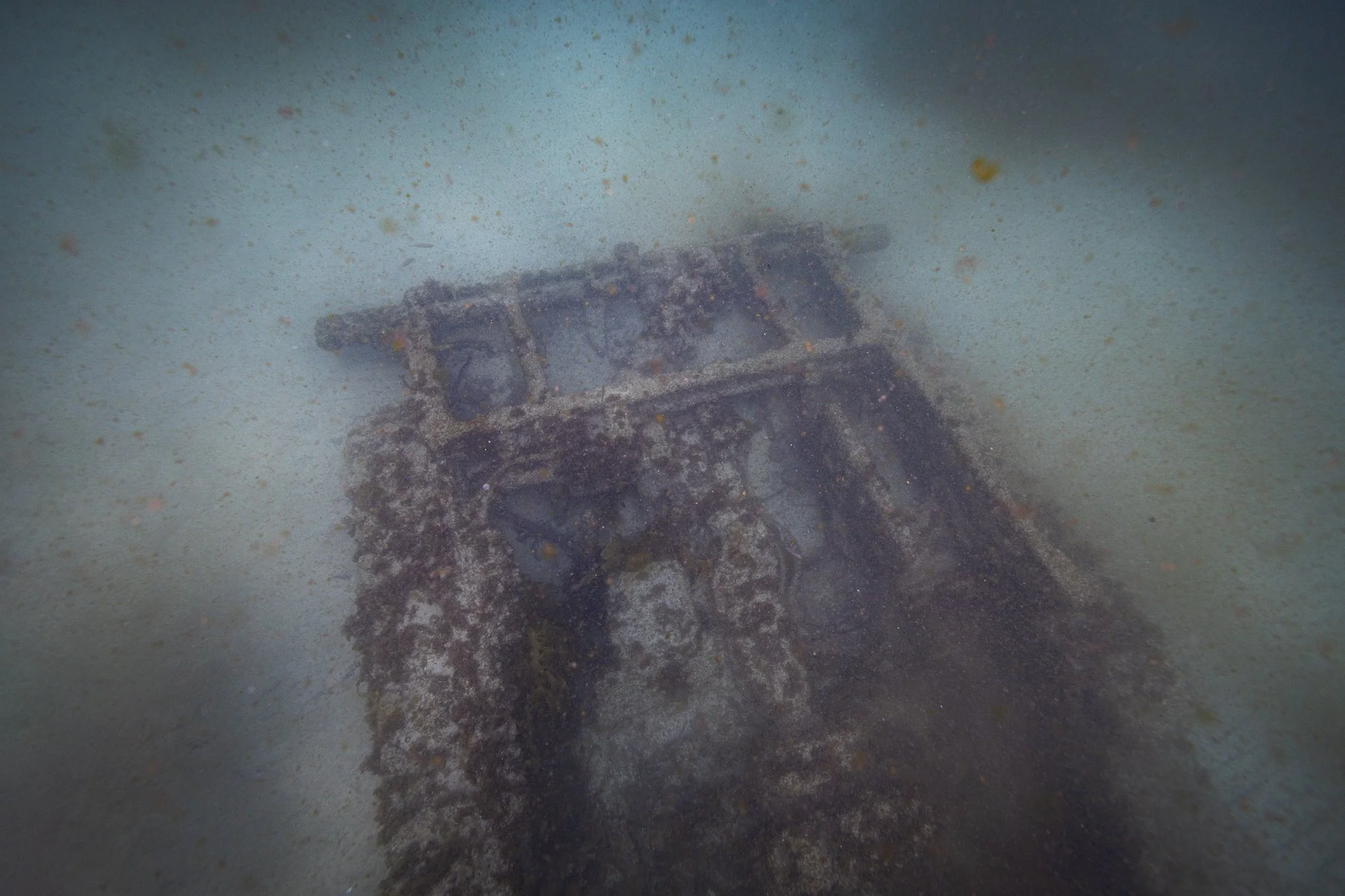
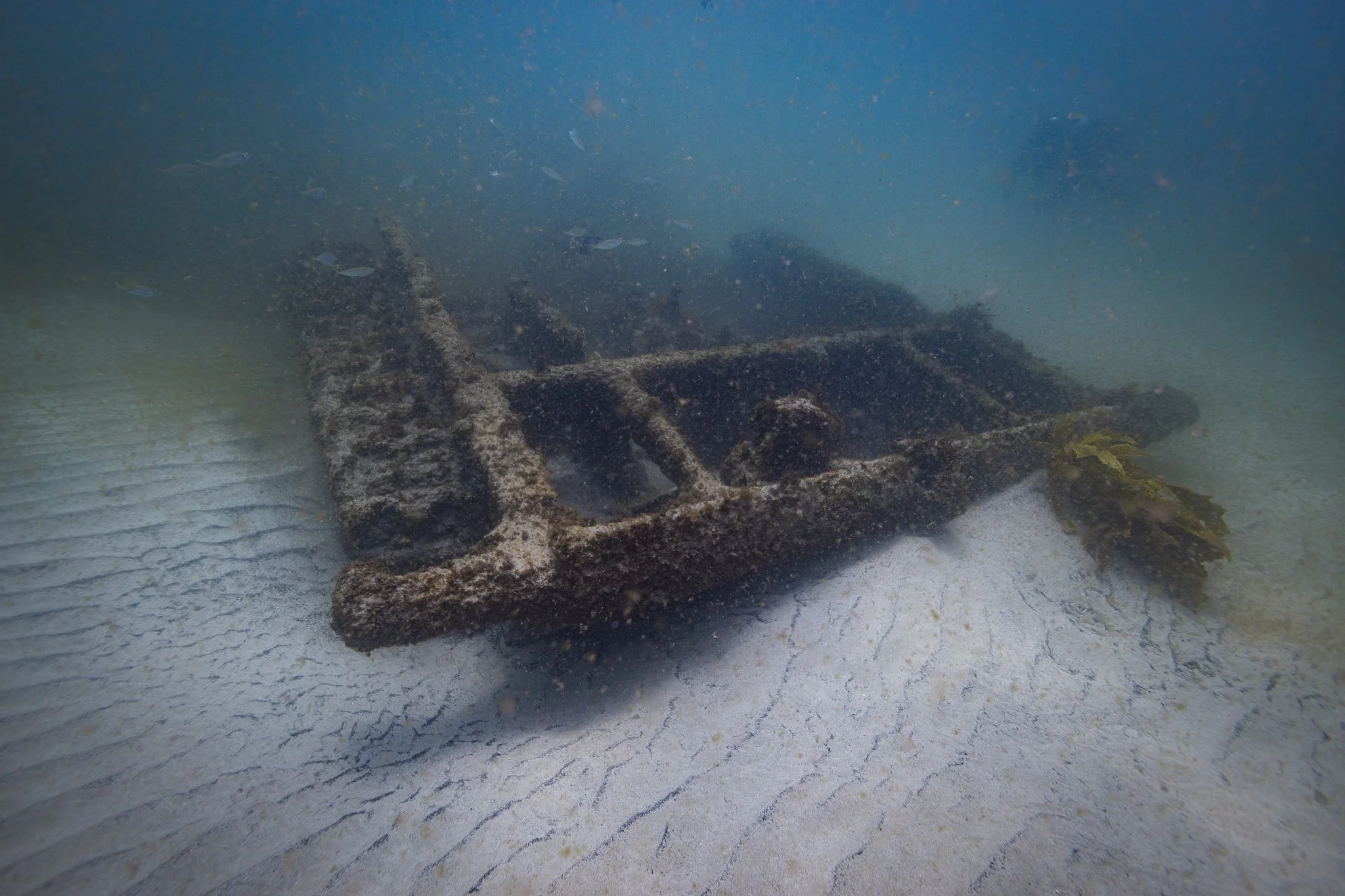
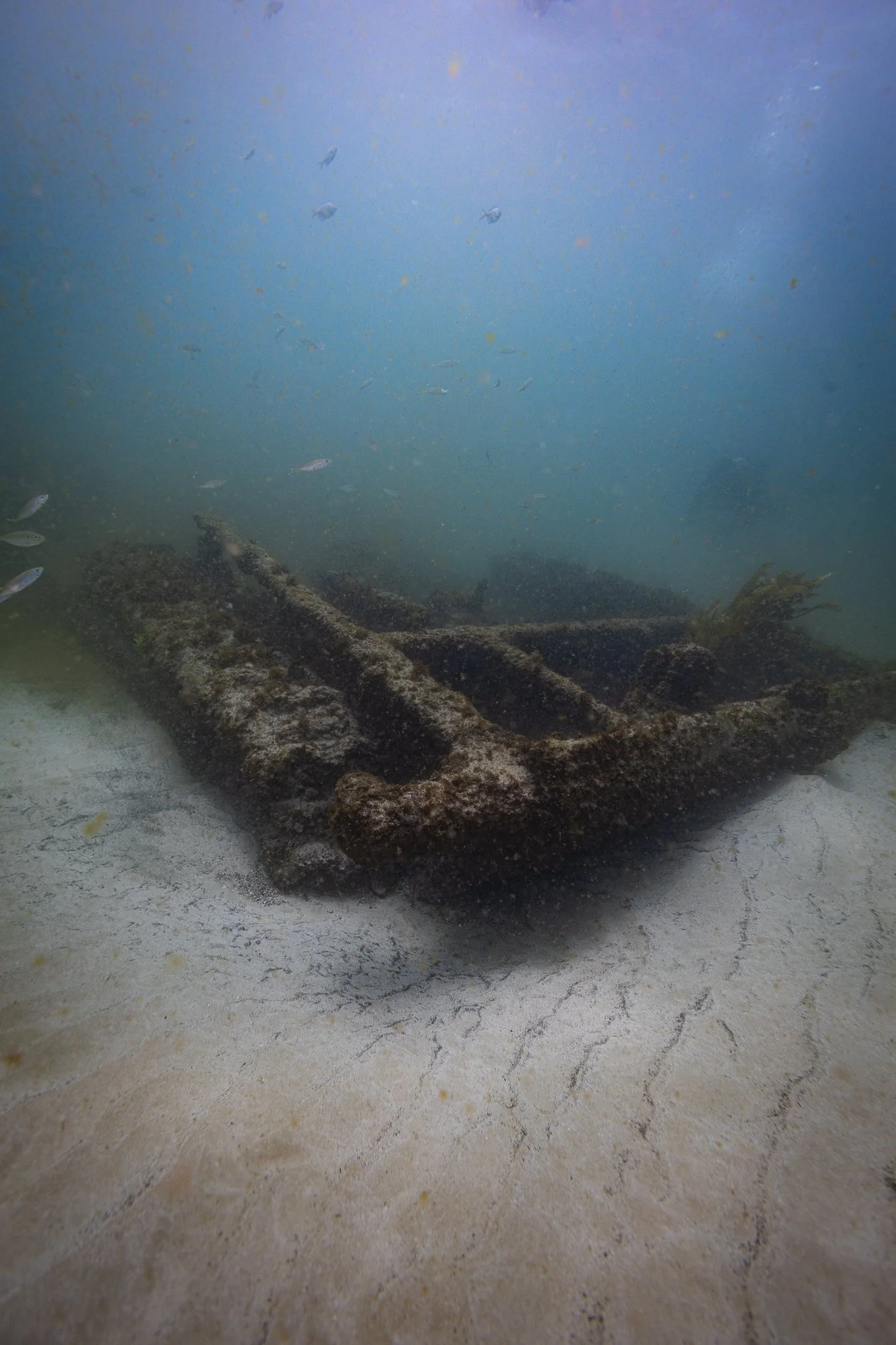
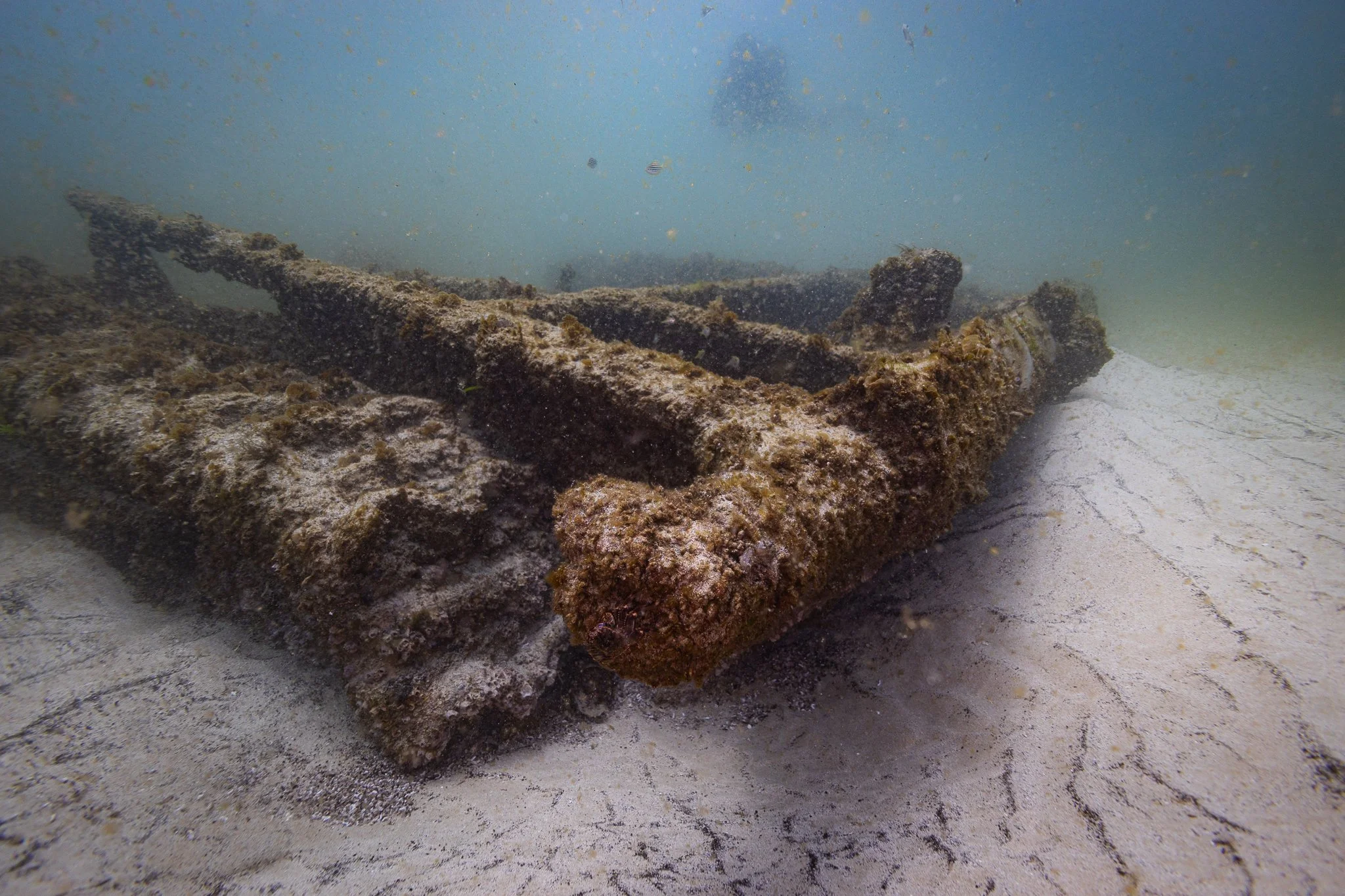
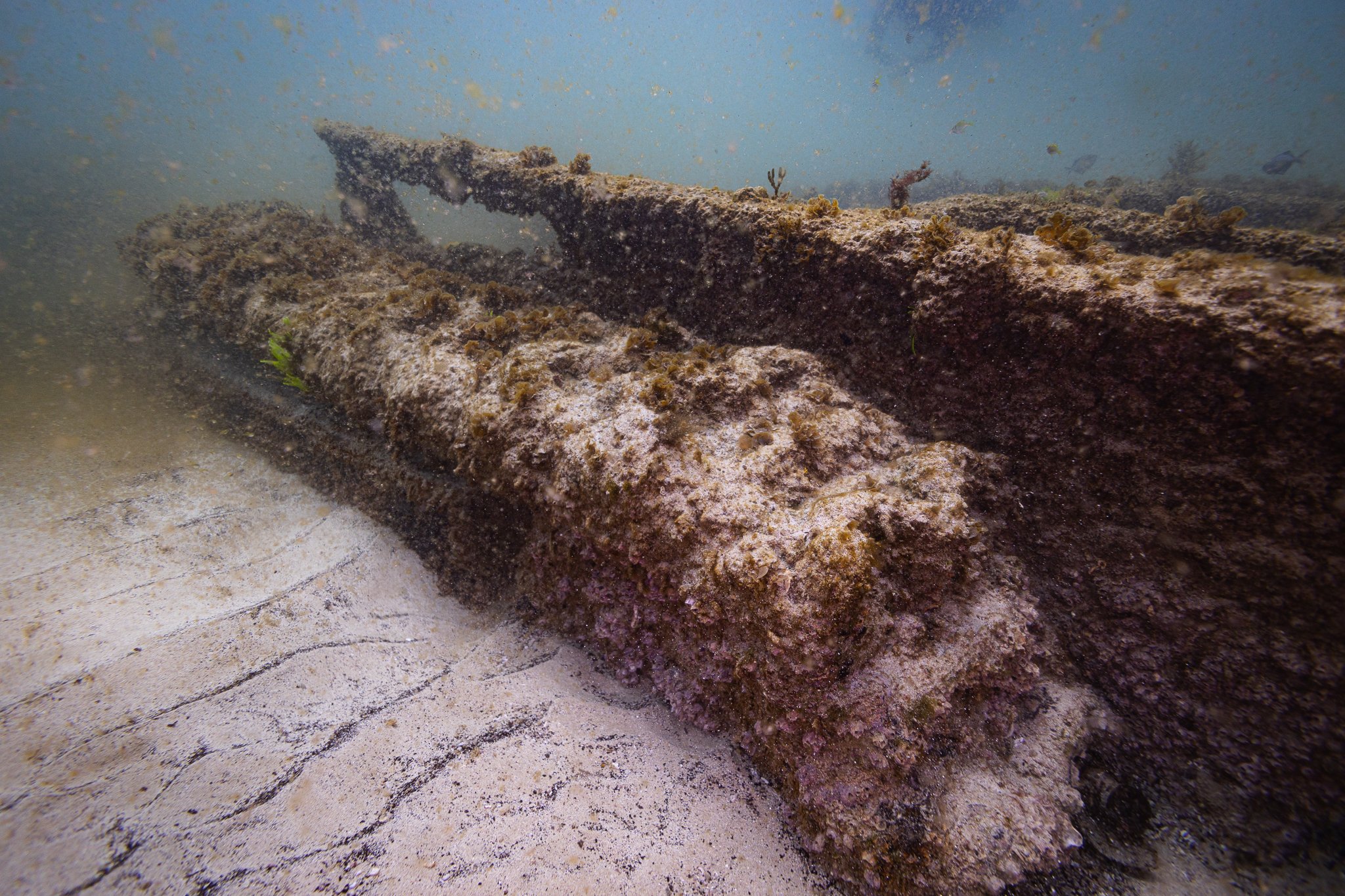
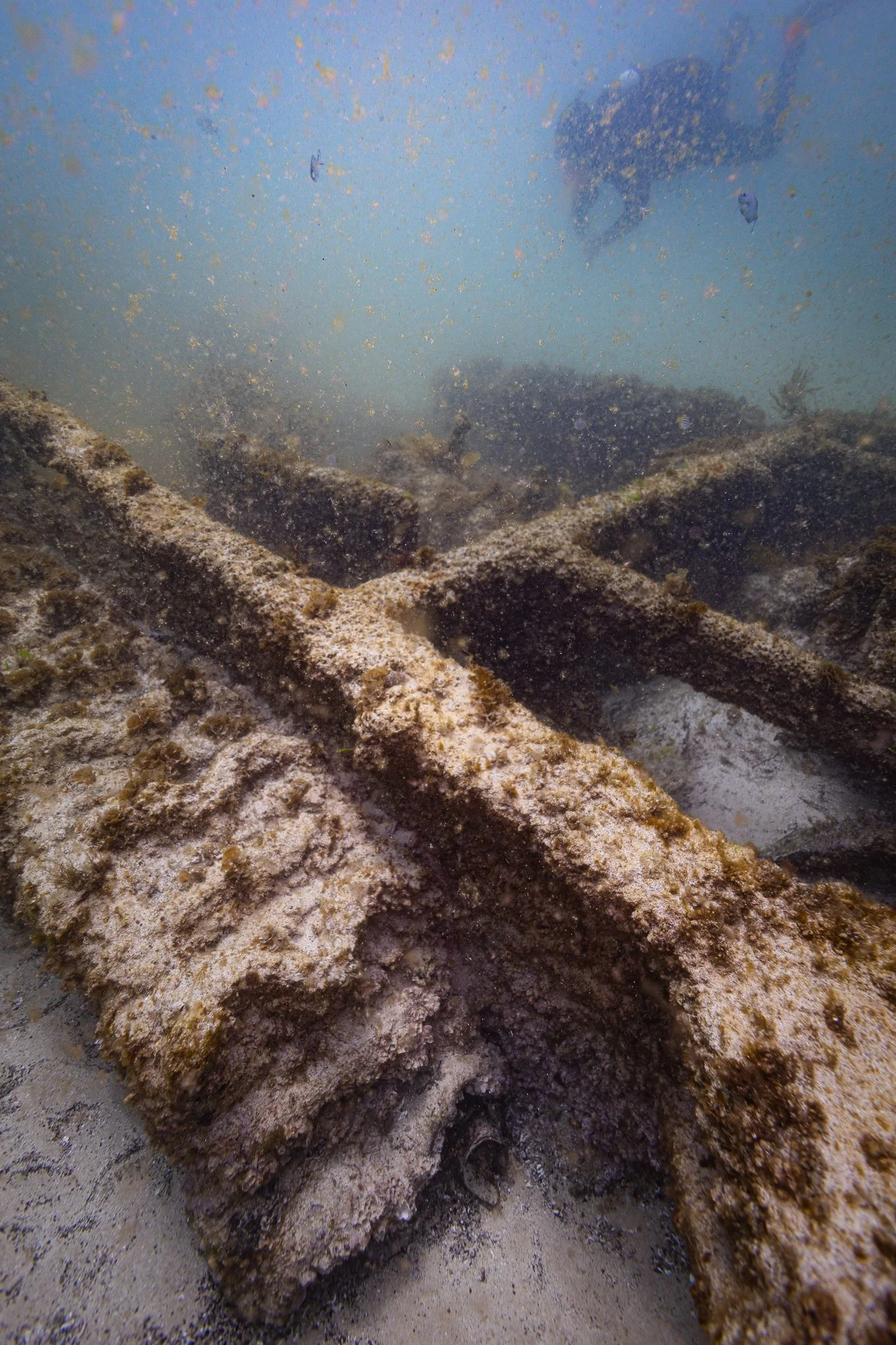
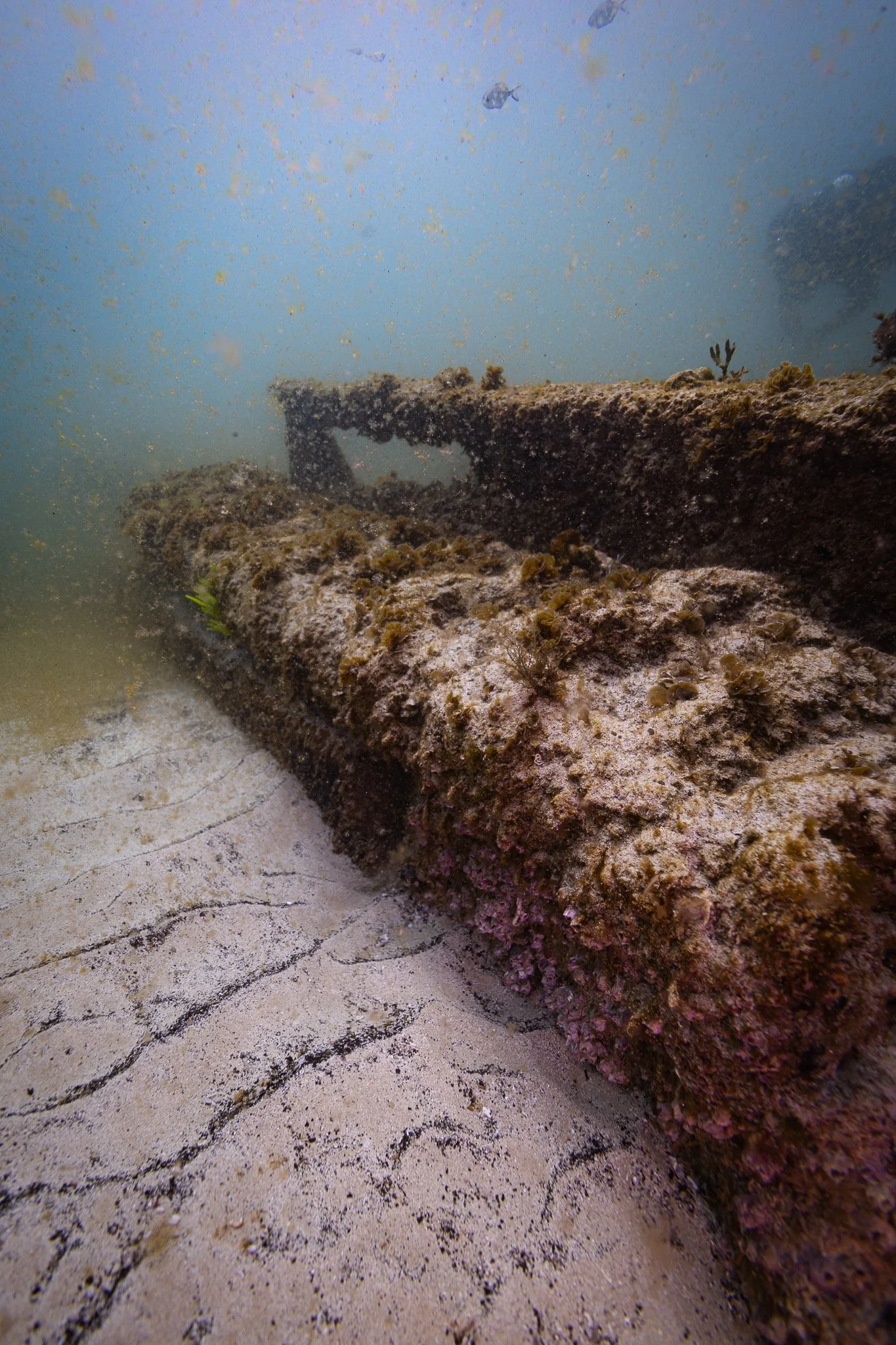
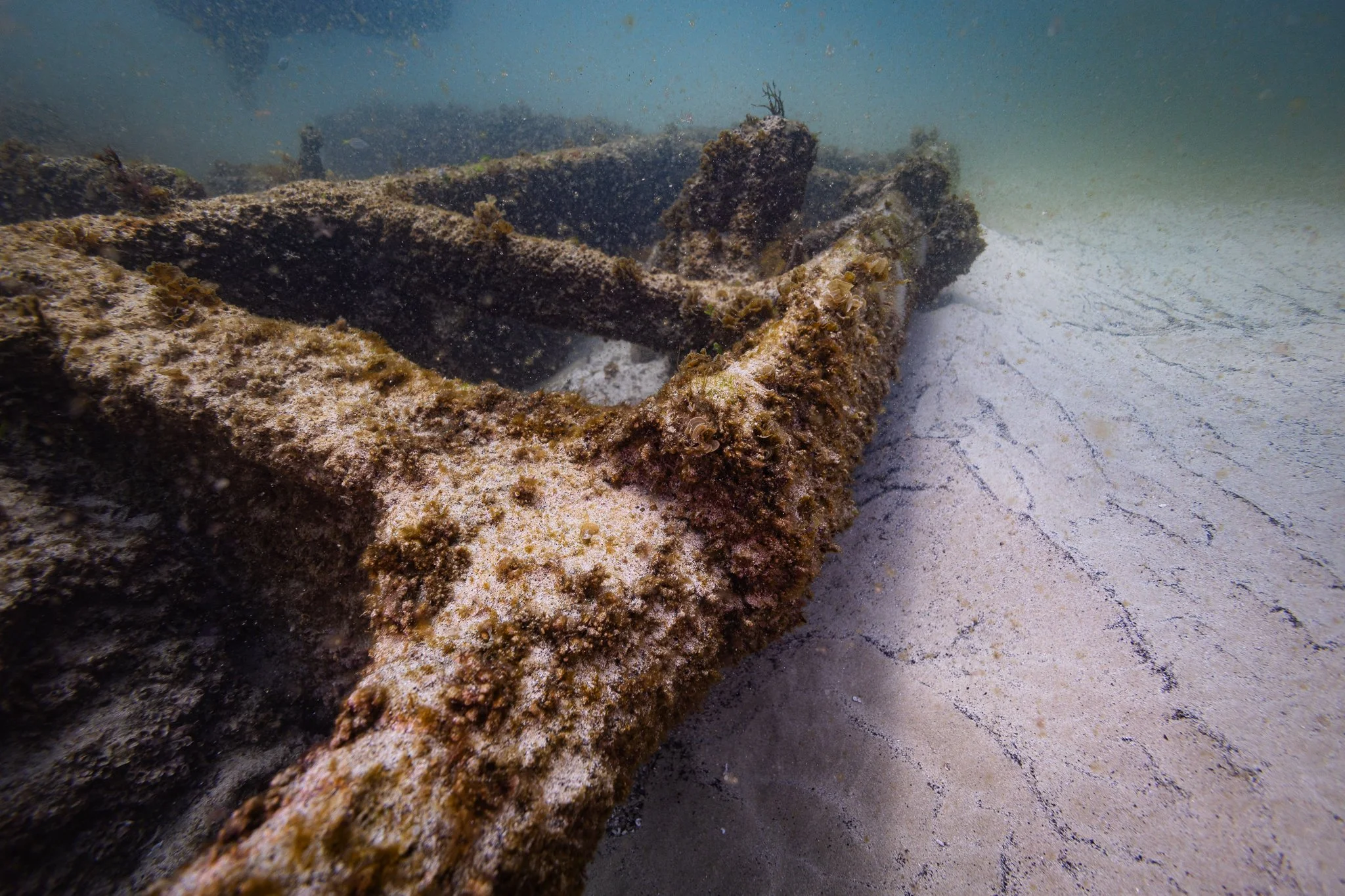
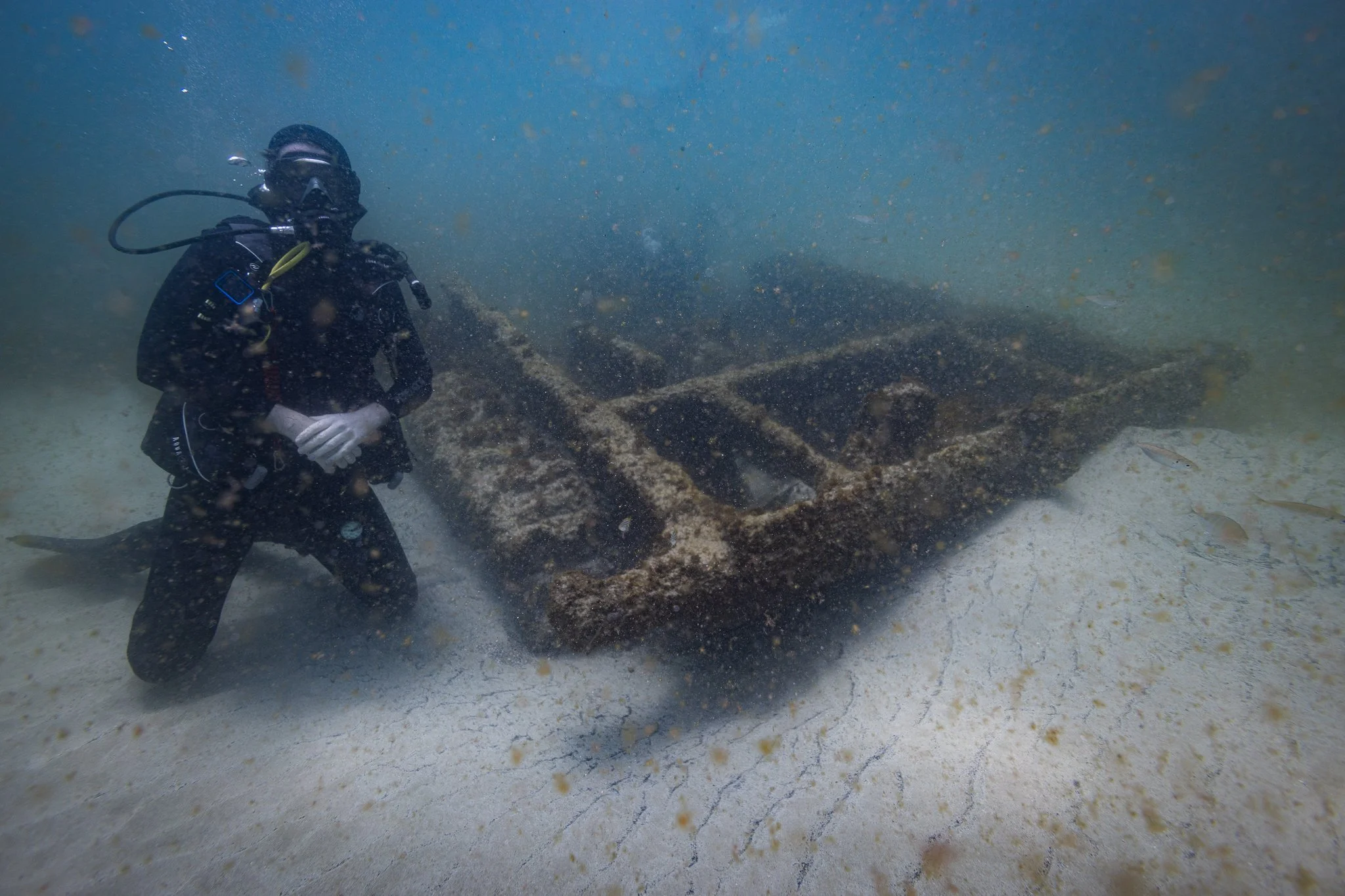
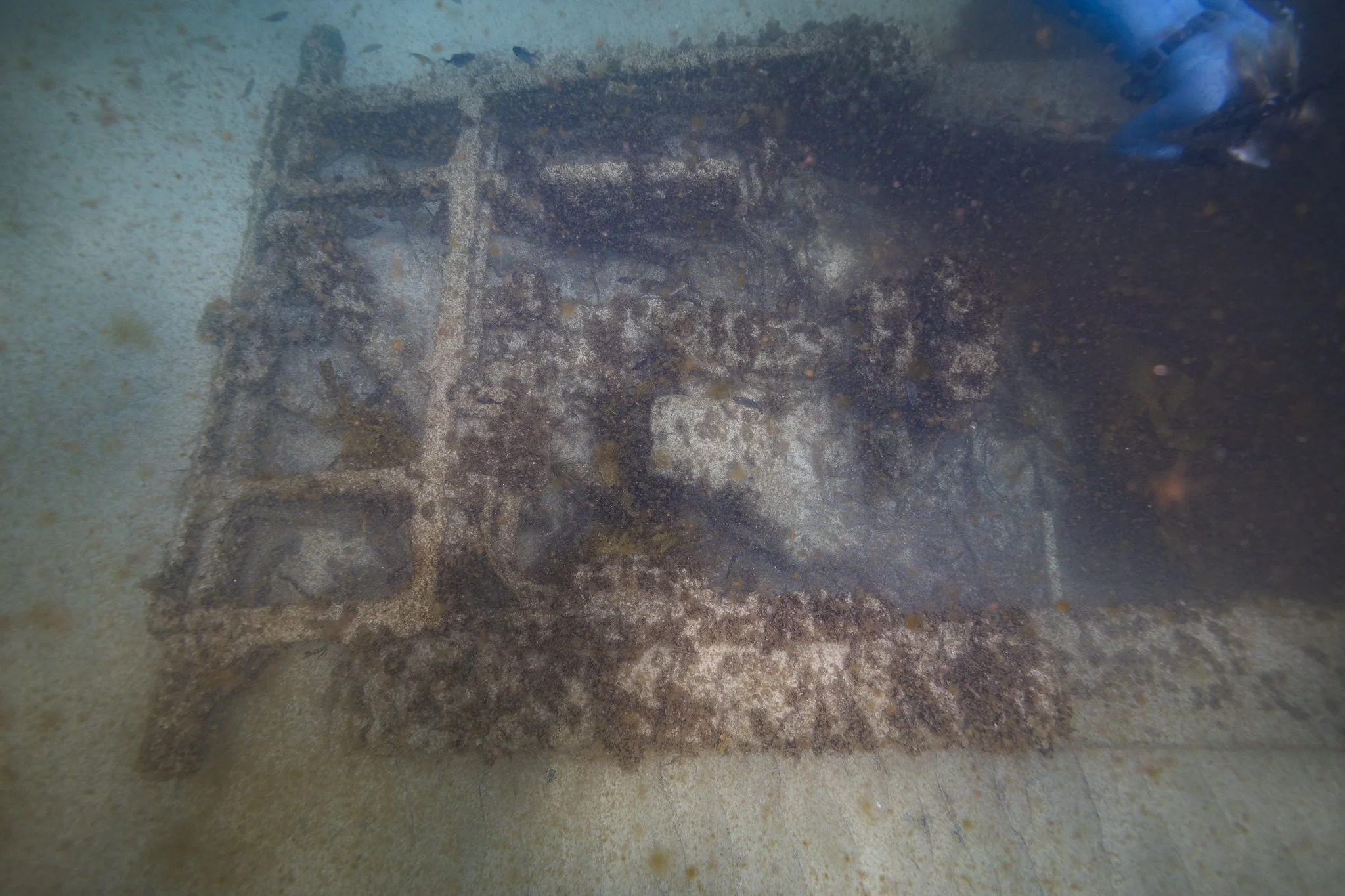
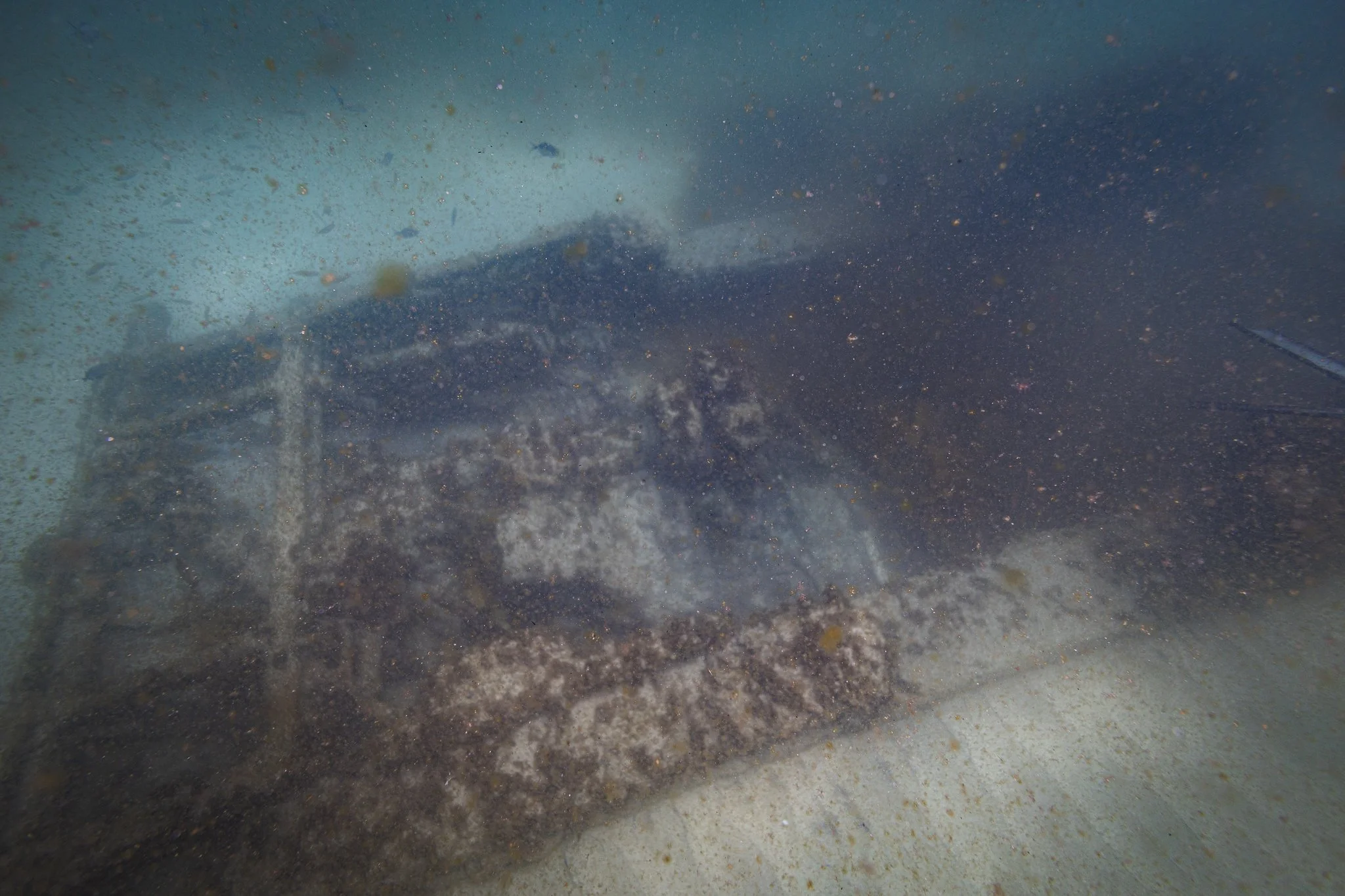
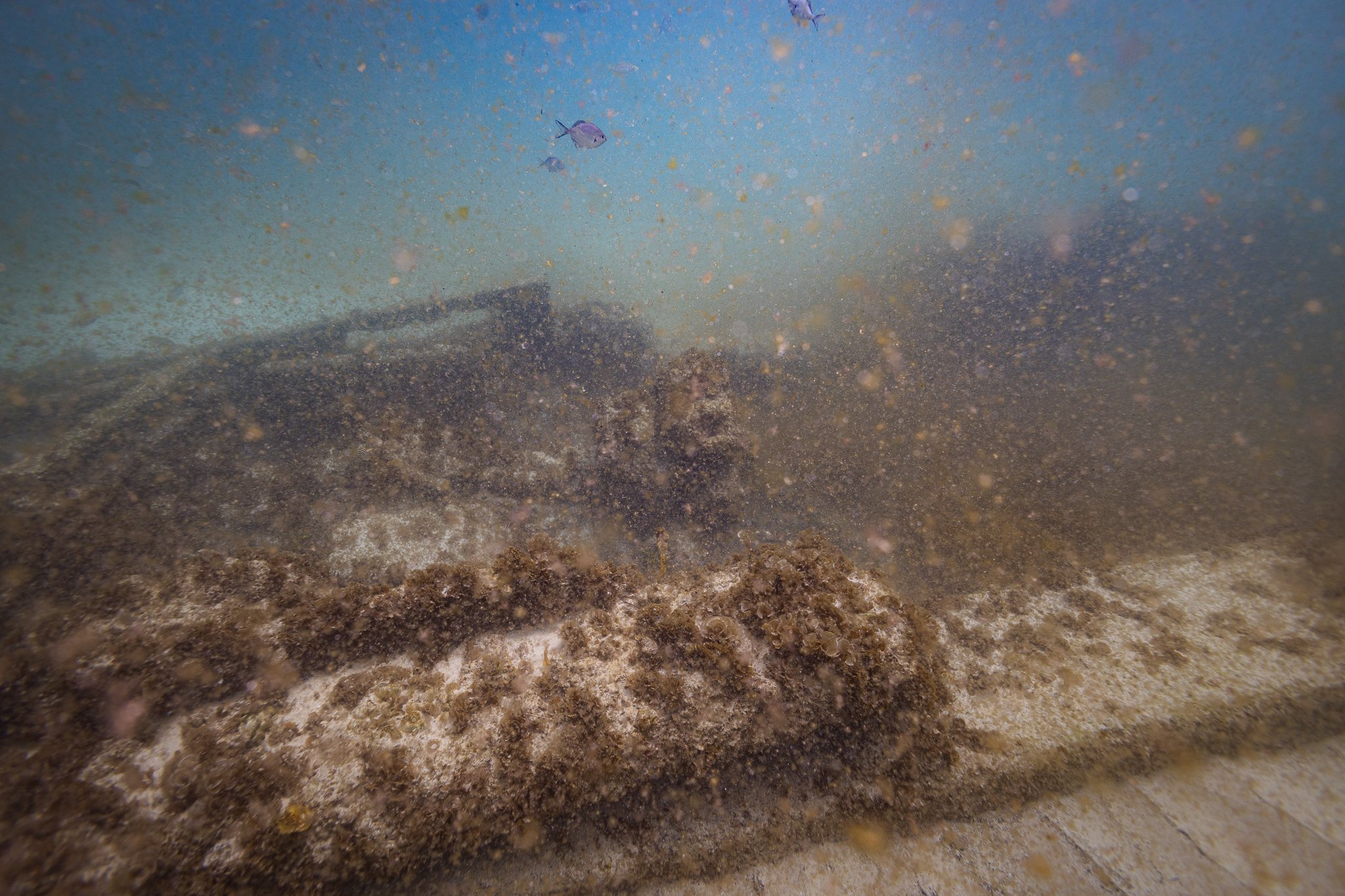
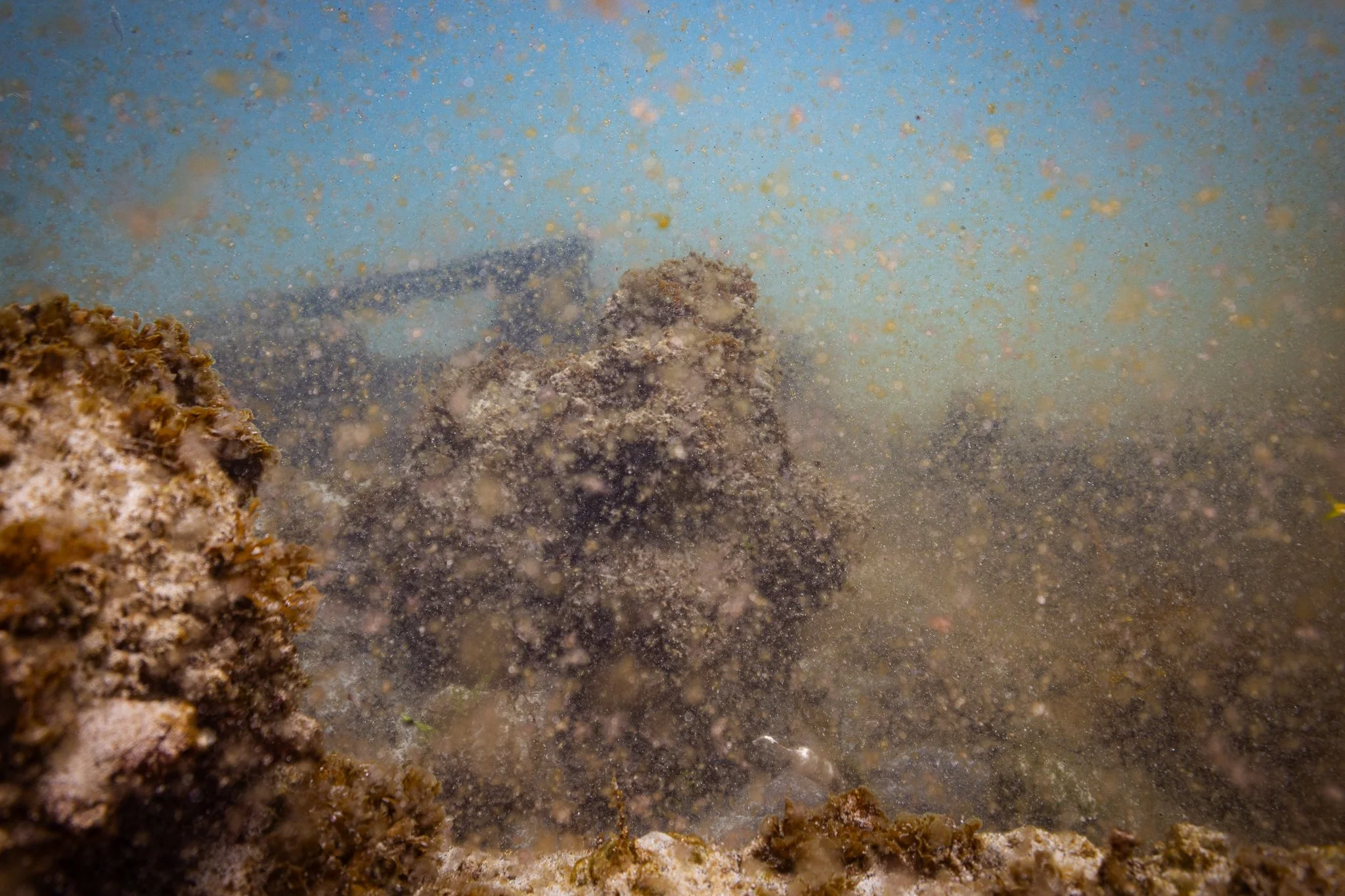
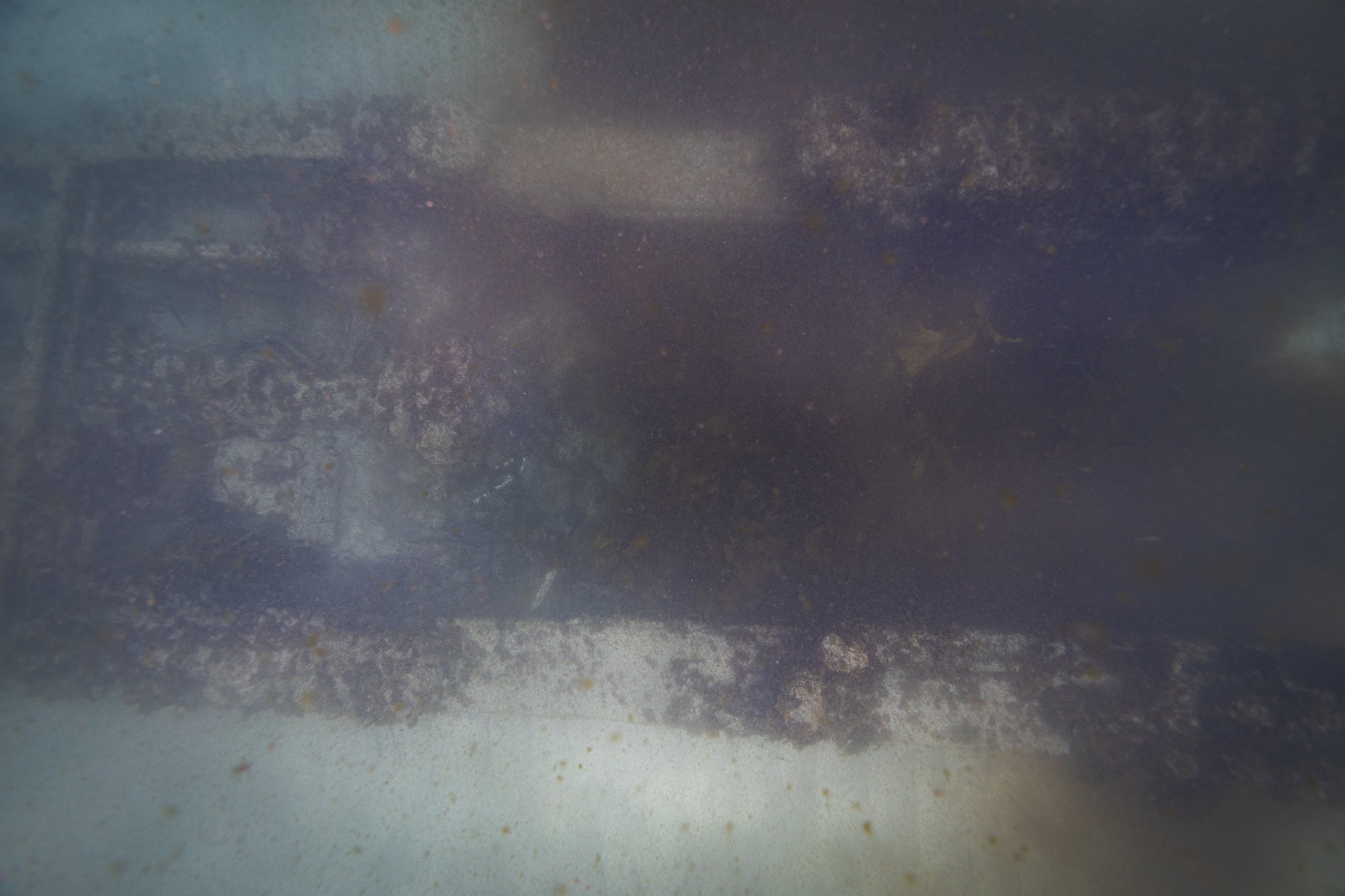
Half-buried beneath the sand at a depth of only about six metres was the outline of the LVT-4. Its tracks were still visible, along with the open body and surviving controls.
After hearing about the vehicle and wondering whether it was still there, we were finally looking at it.
How did the Fingal Bay LVT-4 sink?
The circumstances of the sinking survive through Peter Edwards’ account. Peter did not witness the accident itself, so the details should be treated as a recollection passed on to him rather than a complete eyewitness record.
According to Peter, the LVT-4 was lost during a CMF training exercise, probably in 1958.
He recalled that the vehicle was rising and falling in the swell when one of its tracks caught the sandy bottom. This pulled the LVT into a wave trough and caused it to sink.
Sergeant Harry James was reportedly sitting on the roof with his legs over the hatch. As the vehicle went down, he pulled the driver out.
Peter also said the Army later attempted to recover the LVT using a Diamond T truck. The attempt failed. Between the weight of the vehicle and the suction created by the surrounding sand, it could not be moved.
The LVT remained where it had sunk.
Part of a wider chapter in local military history
If Peter’s estimated date of 1958 is correct, the Fingal Bay accident occurred around four years after the Stockton Bight disaster of March 1954.
During that earlier exercise, a convoy of CMF amphibious vehicles encountered high winds and heavy seas while travelling north from Camp Shortland. Several vehicles sank and three soldiers died.
There is no suggestion that the Fingal Bay sinking had the same consequences. However, the two events belong to the same broader period, when amphibious vehicles and CMF units regularly trained along the coastline north of Newcastle.
The wreck beneath Fingal Bay is a physical reminder of that activity.
The man who kept the story alive
Only a couple of months after our dive, Peter Edwards passed away.
Finding the LVT-4 was already something special. It was a rare chance to see a military vehicle from another era still resting where it had been lost, with its tracks, open body and controls partly visible beneath the sand.
But the wreck alone could not explain how it came to be there.
Because Peter preserved and shared the story, the physical remains are now connected with an account of the accident, the failed recovery attempt and the people involved.
Without that memory, it would be easy to see only a rusting shape beneath the water.
With it, the wreck becomes part of the military history of Port Stephens, and part of the story of the man who helped keep that history alive.